
Bottom line: Weight capacity is the number every listing shouts and the one you should mostly ignore. What decides whether a bench is good is the gap between the seat and back pads, how much it wobbles under load, and whether the pad is firm enough not to sink. The FLYBIRD WB5 at around $150 nails those for most home lifters. If you press heavy, the REP AB-3100 is built differently and worth the jump.
ASTM-certified, minimal pad gap, and it does not wobble when you actually load it. The sweet spot in home benches.
A bench is the least exciting purchase in a home gym and one of the most consequential. It’s what turns a pair of dumbbells into an actual training setup, and it’s the piece people most often buy twice because the first one flexed under them.
The Specs That Actually Matter
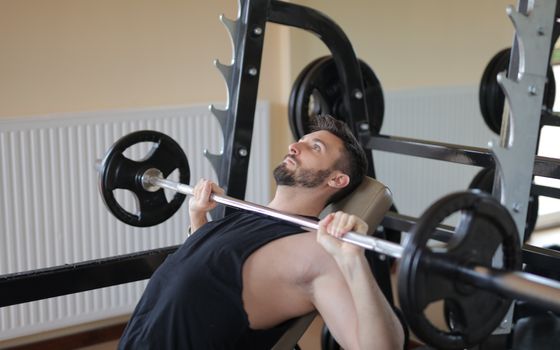
The pad gap is first and almost nobody mentions it. On adjustable benches the seat and back are separate pads, and the space between them lands right under your lower back when you’re pressing. A big gap means your back has nothing supporting it exactly where you’re generating force. Look for benches where that gap is minimal, and read reviews from people who mention it, because manufacturers rarely publish the measurement.
Wobble is second and it’s the thing that ends the relationship. A bench that shifts when you’re pressing near your limit makes you tentative, and tentative pressing is bad pressing. Wobble comes from frame geometry and joint tolerances rather than from raw steel weight, so a heavier bench is not automatically a steadier one.
Pad firmness and width come third. Too soft and you sink, which costs you the stable base you press from. Too narrow and your shoulders hang off; too wide and it interferes with your shoulder blades pinching back. Somewhere around 11 inches suits most people.
Now the capacity number. Listings quote 800 or 1000 pounds and those figures usually include your bodyweight plus the load, and testing standards vary enormously between brands. ASTM certification is the meaningful signal here because it means the bench was tested to a published standard rather than to whatever the factory decided. Treat an uncertified 1000lb claim with the same seriousness you’d treat any other unverified number.
FLYBIRD WB5: Best for Most Home Lifters
FLYBIRD WB5 Weight Bench, around $150. ASTM-certified, adjustable back and seat, folds for storage.
FLYBIRD is the brand that made decent home benches affordable, and the WB5 is the version worth buying. The ASTM certification is the headline, because it means the load rating was tested against a published standard rather than asserted. The pad gap is small, the frame stays put under a real working weight, and it folds flat enough to live behind a door.
Who this is for: the overwhelming majority of people building a home setup around dumbbells, which is most people. It handles flat, incline, and decline, the adjustment mechanism is quick enough that you’ll actually use the angles, and $150 is a sane amount for a piece of equipment you’ll use for years. Pair it with the sets in our adjustable dumbbell roundup and you have a complete upper body gym in about four square feet.
The honest limitation is that it’s still a folding bench. If you’re pressing well into three figures per hand, you’ll eventually feel the difference between this and a fixed-frame bench.
Amazon Basics Adjustable Bench: Best Budget Pick
Amazon Basics Adjustable Workout Bench, around $79. Multiple back positions, compact, folds.
This is the honest entry point and it’s better than its price suggests. You get a usable range of incline positions and a frame that handles moderate dumbbell work without complaint. For someone doing 25 to 50 pound dumbbell presses, it does the job.
Who this is for: beginners, apartment gyms, anyone building a setup piece by piece who wants to spend the savings on weights instead, and people who genuinely aren’t sure they’ll stick with lifting. That last group matters. A $79 bench that gets used beats a $270 bench bought for an identity you haven’t grown into yet.
Expect a larger pad gap and more flex than the FLYBIRD, and expect to outgrow it if you get strong. That’s a fine outcome for eighty dollars.
REP AB-3100: Best for Heavy Pressing
REP AB-3100 Adjustable Bench, around $270. Flat, incline, decline, heavier frame, ladder-style adjustment.
REP builds equipment for people who train seriously, and the AB-3100 feels like it. The frame is substantially heavier, the pad is firm without being punishing, and the gap between pads is among the smallest in this price range. Under load it simply does not move, which is the entire point of spending here.
Who this is for: anyone pressing heavy dumbbells or working toward it, people who’ve already flexed a cheap bench and did not enjoy the experience, and anyone building a garage gym around a rack where the bench needs to match. Also worth it if you’re tall or heavy, since frame stability matters more the more mass is on it.
At $270 it’s genuinely more bench than a casual lifter needs, and there’s no shame in that. Buy it when your training justifies it rather than in anticipation of training that might happen.
How We Evaluate
We don’t own and press on every bench here, and we won’t pretend to. This ranking uses manufacturer specifications for adjustment range, pad dimensions, frame construction, and load rating, plus whether a bench carries ASTM certification, which is the only capacity claim tested against a published standard. It also draws on the well-understood biomechanics of why pad gap and frame stability affect pressing, and on a large volume of long-term owner feedback weighted toward months of use, since wobble, pad compression, and adjustment mechanisms loosening are the failures that only surface with time. Specs come from manufacturers. Recommendations are our judgment, and labelled.
Flat or Adjustable?
Worth asking before you spend, because the default assumption costs people money. A flat bench is cheaper, more stable at any given price, and has no pad gap at all, since it’s one continuous surface. If your training is mostly flat pressing and rows, a flat bench is genuinely the better tool.
Adjustable earns its place when you want incline work for upper chest and shoulders, seated overhead pressing with back support, or a variety of angles for dumbbell work. Most home lifters do want those, which is why adjustable is the common recommendation. Just make the choice deliberately rather than assuming more adjustment is automatically better.
One more thing people skip: measure your ceiling height if you plan to press seated overhead, and measure the floor space with the bench at full incline rather than folded. Both are the kind of detail that turns a good purchase into a returned one. Our home gym guide covers laying out a small space, and a pull-up bar plus a bench is close to a complete upper body setup on its own.
What a Bench Unlocks
Worth spelling out, because a bench looks like furniture and gets treated as optional. Without one, dumbbell training is basically standing movements: curls, overhead presses, rows bent at the hip. Useful, but you’ve lost horizontal pressing entirely, and that’s a whole movement pattern.
Add a bench and you get flat and incline dumbbell press, supported single-arm rows, chest-supported flyes, seated shoulder press with your back braced, hip thrusts, step-ups, and Bulgarian split squats using the bench for your rear foot. That’s most of an upper body program plus a couple of serious lower body movements, from one object.
It also fixes a specific weakness in bodyweight-only setups. Pulling is easy to load at home with a bar or straps, as our suspension trainer guide covers, but horizontal pressing is awkward without somewhere to lie down. A bench plus dumbbells closes that gap, and slotting the result into the framework in our strength program guide turns a pile of equipment into an actual plan.
FAQ
What weight capacity do you need in a bench?
Less than the listings imply. Capacity figures usually include bodyweight plus load and are tested inconsistently between brands. ASTM certification matters more than the raw number, because it means the rating was verified against a published standard.
Why does the gap between bench pads matter?
On adjustable benches the gap sits under your lower back while pressing, which removes support exactly where you generate force. Smaller gaps feel more stable and more comfortable, and it’s one of the biggest quality differences between cheap and good benches.
Is a flat bench better than an adjustable one?
For flat pressing, yes. Flat benches are cheaper, more stable, and have no pad gap. Adjustable is worth it if you want incline pressing, seated overhead work, or angle variety, which most home lifters eventually do.
Are folding weight benches sturdy enough?
Good ones are for moderate loads. Folding mechanisms add potential movement points, so they generally flex more than fixed frames at heavy weights. For dumbbell work under about 50 pounds per hand, a well-built folding bench is fine.
How much should you spend on a weight bench?
Around $150 buys a bench that will serve most home lifters for years. Under $100 works for beginners and light dumbbell work. Above $250 is worth it if you press heavy, are tall or heavy yourself, or want a bench that will never be the limiting factor.