
Bottom line: A sleep mask is one of the few sleep products with a well-established mechanism behind it: light genuinely suppresses melatonin, and blocking it genuinely helps. The buying decision that matters is not brand but shape: masks with contoured eye cups let you blink and move your eyes freely, while flat masks press on your eyelids. The Manta Original at around $39 is the best of the eye-cup designs. If $39 feels steep for a piece of fabric, the MZOO at $14 gets you most of the way there.
Adjustable eye cups and a modular strap deliver true blackout with zero pressure on the eyelids. The design the category copies.
Most sleep gadgets are hard to defend. Sleep masks are the exception: the relationship between light exposure and melatonin suppression is one of the better-established findings in sleep science, and even modest ambient light (a streetlight through curtains, a charging LED, an early summer sunrise) can measurably affect sleep quality. A mask is a cheap, low-tech fix for a real problem.
This guide covers what a mask can and cannot fix, the four worth buying, and the single design feature that separates a mask you wear all night from one you tear off at 2am. For the measurement side of sleep, our sleep tracking guide and Oura Ring 4 review cover how to tell whether any of it is working.
What a Sleep Mask Fixes, and What It Does Not
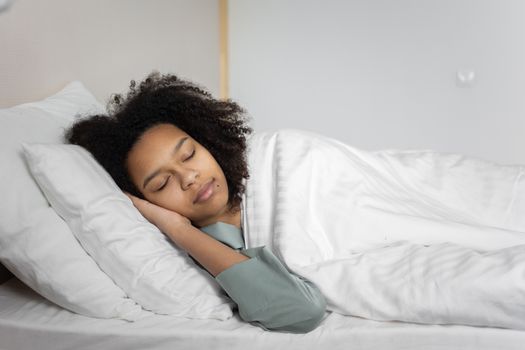
The mechanism here is unusually solid for a wellness product. Light striking the retina (particularly in the blue end of the spectrum, but not exclusively) signals the brain to suppress melatonin and stay alert. That system evolved to keep you awake in daylight, and it does not care that your bedroom light comes from a streetlamp or a partner’s reading lamp. Blocking that light removes the signal. This is why blackout curtains and masks are standard advice from sleep clinicians rather than wellness marketing.
What a mask cannot do is fix the other causes of bad sleep, and this is worth being blunt about before you spend. If you are waking at 3am with a racing mind, drinking caffeine after midday, keeping an irregular schedule, or living with untreated sleep apnea, a mask will not touch any of that. It solves exactly one variable. That variable happens to be cheap and easy to solve, which makes a mask a sensible first purchase, but if your sleep is genuinely poor and a mask does not help within a couple of weeks, the problem is elsewhere and worth taking to a doctor rather than solving with more gear.
The One Design Feature That Matters: Eye Cups
Almost every complaint about sleep masks traces back to the same thing. Flat masks (the cheap airline kind) rest directly on your eyelids. That pressure is uncomfortable, it stops you blinking naturally, and during REM sleep, when your eyes move rapidly beneath the lids, a mask pressing down on them is a genuine source of disturbance. People who say they “cannot sleep in a mask” have almost always only tried flat ones.
Contoured masks and eye-cup designs solve this by creating a domed space over each eye, so nothing touches the eyelid at all. You can open your eyes fully inside the mask. The difference in comfort is not subtle, and it is the main reason to spend $39 instead of $10. If you take one thing from this guide: buy a contoured or eye-cup mask, at whatever price point suits you.
Manta Original: Best Overall
Manta Original Sleep Mask, around $39. Adjustable modular eye cups, C-shaped strap, true blackout.
The Manta is the design most of the category now imitates. Its eye cups detach and reposition on a velcro backing, so you can set the spacing to your own face rather than hoping a fixed mould fits, the reason it achieves genuine blackout where cheaper masks leak light around the nose. The strap sits above the ears and below the occipital bone, avoiding the pressure point that makes many masks uncomfortable for side sleepers.
It is fabric and elastic priced like a small gadget, which is a fair complaint. What you are buying is fit adjustability and the blackout that comes with it. For anyone who has bounced off cheaper masks because of light leaks or discomfort, it is the one that tends to end the search.
MZOO Sleep Mask: Best Budget Pick
MZOO Sleep Eye Mask, around $14. Contoured moulded cups, memory foam, fixed shape.
The MZOO is the value answer and genuinely good. It uses a moulded contoured design, so you get the eye-cup benefit (no eyelid pressure, free blinking) at a third of the Manta’s price. For most people with a fairly typical face shape, it blocks light well and is comfortable enough to forget about.
The limitation is that the moulding is fixed. If your nose bridge or eye spacing sits outside what the mould assumes, you will get light leaking at the nose and no way to adjust it. That is precisely the problem Manta’s modular cups solve. Buy the MZOO first, at $14 it is a low-risk way to find out whether a fixed mould fits your face, and if it does, you have saved $25.
Nidra Contoured: Best for Side Sleepers
Nidra Contoured Sleep Mask, around $22. Deep contoured cups, lightweight, slim profile.
The Nidra’s advantage is bulk, or the lack of it. Deeper eye cups on a slimmer overall body mean less material bunching against a pillow, which is the specific problem side sleepers hit, a thick mask gets pushed out of position by the pillow every time you turn, breaking the light seal. The Nidra stays put better than most.
It sits sensibly between the MZOO and the Manta in both price and adjustability. If you sleep on your side and have found masks shifting overnight, this is the one to try before spending more.
Manta Cool: Best for Hot Sleepers
Manta Cool Sleep Mask, around $49. Manta eye-cup system plus reusable cooling pads.
Heat is the underrated reason people abandon sleep masks. Any mask traps warmth against your face, and if you already sleep hot, that alone can be enough to make you pull it off. The Manta Cool keeps the adjustable eye-cup design and adds reusable gel pads you chill before bed, which also happen to help with puffiness, sinus pressure, and headaches.
At $49 it is the most expensive here and only worth the premium if heat is specifically your problem. If it is, this is a targeted fix rather than a luxury, and warmth is a common enough complaint that it is worth knowing the option exists before you write off masks entirely.
How We Evaluate
We do not sleep in every mask on this list, and we will not imply otherwise. This ranking is built from manufacturer specifications for construction, strap design, and adjustability; the peer-reviewed literature on light exposure and melatonin suppression, which informs the expectations section rather than any product claim; the meaningful design distinction between flat and contoured or eye-cup masks, which is the main determinant of comfort; and a large volume of long-term owner feedback, weighted toward reports covering months of nightly use, since light leakage at the nose, strap loosening, and fabric wear are what actually decide whether a mask survives past the first week. Specifications are attributed to the manufacturer; comparative calls are our judgement and labelled as such.
Getting the Most From a Mask
Two practical notes. First, expect an adjustment period. Most people need three to five nights before a mask stops registering as a foreign object, and abandoning one after a single night tells you nothing. Second, a mask works best as part of a dark room rather than a substitute for one: fixing the obvious light sources first (a bright charging LED, a gap in the curtains) means the mask has less work to do and any leak matters less.
If you track your sleep, a mask is one of the easier interventions to actually evaluate, because you can change one variable and watch a week of data. Our recovery score guide covers reading those numbers without over-interpreting a single night, and the devices in our recovery tracker roundup all log sleep well enough for that comparison. For the other end of a wind-down routine, our sauna blanket guide covers heat exposure before bed.
FAQ
Do sleep masks actually improve sleep?
For people exposed to light at night, yes, the link between light exposure and melatonin suppression is well established, and blocking light removes that signal. A mask solves one specific variable well. It will not address caffeine, schedule irregularity, stress, or a sleep disorder.
Why are contoured sleep masks better than flat ones?
Flat masks press directly on the eyelids, which is uncomfortable and interferes with the eye movement that happens during REM sleep. Contoured and eye-cup masks create space over each eye so nothing touches the lid, which is why most people who dislike masks change their mind after trying one.
Are expensive sleep masks worth it?
The premium buys fit adjustability, not better fabric. A $14 contoured mask works well if its fixed moulding matches your face. If you get light leaking at the nose or discomfort, an adjustable design like the Manta solves exactly that, and is worth the difference.
Can you wear a sleep mask every night?
Yes. There is no known harm in nightly use, and consistency is generally how sleep interventions work. Keep it clean, masks sit against your face for hours and should be washed regularly, particularly if you are prone to eye irritation or acne.
Will a sleep mask help with shift work or jet lag?
It helps considerably in both, because the core problem is trying to sleep when the environment is bright. A mask makes daytime sleep meaningfully more achievable. It does not fix circadian misalignment itself, but it removes the largest obstacle to sleeping at the wrong time of day.