
Bottom line: A mini trampoline is one of the more genuinely useful pieces of home cardio equipment (low-impact, surprisingly effective, and easy to actually use) and the difference between a good one and a bad one comes down to the mat suspension. For most people the BCAN bungee rebounder at around $130 hits the right balance of quality and price. If you want the best and plan to use it for years, the bellicon is the one serious rebounders buy, at roughly five times the cost.
Quiet bungee suspension, a stable bar, and a build that holds up, the rebounder that gets the important thing right without the premium price.
Rebounding (bouncing on a mini trampoline) has cycled through fitness fashion for decades and is having another moment, this time driven by low-impact cardio trends and a wave of interest in joint-friendly exercise. The appeal is real: it raises your heart rate without the joint impact of running, it is genuinely fun in a way that keeps people consistent, and a decent one fits in an apartment. This guide covers what rebounding actually does, the three worth considering, and the one specification that separates a quiet, durable rebounder from a squeaky one destined for the closet.
It slots naturally alongside the low-impact options in our walking pad roundup and the broader home gym guide.
What Rebounding Actually Does
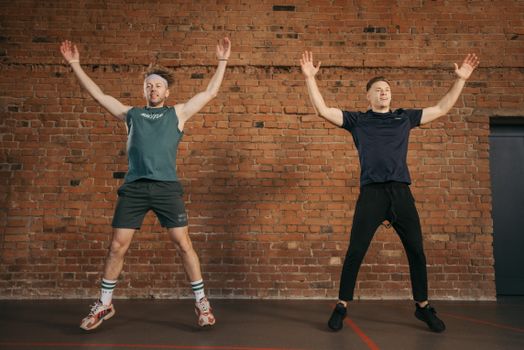
The core benefit is straightforward and real: rebounding is effective low-impact cardiovascular exercise. Bouncing elevates your heart rate meaningfully while the mat absorbs most of the landing force, so your knees, hips, and ankles take a fraction of the load they would running. For anyone with joint issues, excess weight to manage, or a history of running injuries, that combination (real cardio, minimal impact) is genuinely valuable and hard to get elsewhere.
There are secondary benefits worth mentioning honestly. The constant micro-adjustments of balancing on an unstable surface engage stabilising muscles and can improve balance, which matters more with age. Rebounding also happens to be one of the few forms of exercise most people find actually enjoyable, and enjoyment is the single biggest predictor of whether someone sticks with a routine, a bigger factor in results than any efficiency claim.
One claim to set aside: you will see rebounding marketed heavily for “lymphatic drainage.” Like most lymphatic marketing in the fitness world, this oversells a kernel of truth (movement in general assists lymphatic flow) into something specific and measured that it is not. Buy a rebounder because it is fun, effective, joint-friendly cardio. That is more than enough reason, and it does not require the pseudoscience.
BCAN Bungee Rebounder: Best Overall
BCAN BT2 Bungee Rebounder, around $130. Bungee cord suspension, adjustable stability bar, folds for storage.
The BCAN is the rebounder most people should buy, and the reason is the suspension. Cheaper rebounders use metal springs, which are loud, harsh at the bottom of the bounce, and wear out; bungee suspension is quieter, gives a softer and more natural bounce, and lasts longer. The BCAN uses bungee cords and gets the feel right, responsive without being jarring.
The adjustable stability bar is the other reason to choose it. For beginners, anyone with balance concerns, or older users, a bar transforms a rebounder from slightly intimidating to genuinely accessible, and it removes the main safety worry. It folds for storage, holds up to regular use in owner reports, and at $130 sits right at the point where quality stops improving much per dollar.
Check BCAN Bungee Rebounder Price →
BCAN Foldable Mini Trampoline: Best Budget Pick
BCAN SP2 Foldable Mini Rebounder, around $90. Bungee suspension, foldable, no stability bar.
The budget BCAN keeps the thing that matters (bungee suspension) and drops the stability bar to hit a lower price. If you have decent balance and do not need the bar, this is a lot of rebounder for $90, with the same quiet, joint-friendly bounce as its pricier sibling. It folds compactly, which makes it easy to store between sessions.
The trade-off is purely the bar. If you are confident on your feet you will not miss it; if you are a beginner or have any balance concern, the $40 upgrade to the barred version is worth it for the confidence alone. Either way, buying a bungee rebounder over a cheaper spring model is the decision that matters most.
bellicon Mini Trampoline: Best Premium Option
bellicon Mini Trampoline, around $699. Premium bungee suspension, high weight capacity, screw-in legs, long warranty.
The bellicon is the rebounder serious enthusiasts and studios buy, and it is genuinely a different class of product. The bungee suspension is more refined and more durable than anything cheaper, the bounce is softer and deeper, the weight capacity is higher, and the warranty reflects a build meant to last many years rather than a season. Owner reports are unusually devoted for a piece of fitness equipment.
Whether it is worth roughly five times the BCAN depends entirely on how much you rebound. For a daily user who wants the best possible bounce and a device that will outlast several cheaper ones, the math works. For someone testing whether they enjoy rebounding at all, it is dramatically more than needed, start cheaper and upgrade to this only if rebounding becomes a genuine habit.
How We Evaluate
We do not buy and bounce on every rebounder on this list, and we will not imply otherwise. This ranking is built from manufacturer specifications for suspension type, weight capacity, size, and warranty; the meaningful design difference between spring and bungee suspension, which determines noise, bounce feel, and longevity; the exercise physiology of low-impact cardiovascular training, which informs the expectations section; and a large volume of long-term owner feedback, weighted toward reports covering months of use, since squeaking, sagging mats, and suspension failure are what actually separate a rebounder people keep from one they abandon. Specifications come from the manufacturer; comparative judgements are ours and labelled.
What to Look For, and Who Should Skip It
If you take one thing from this guide: choose bungee over springs. Spring rebounders are cheaper up front, but they are louder, harsher on the joints at the bottom of the bounce, and wear out faster, the opposite of what you want from a joint-friendly device. After suspension, a stability bar is the feature that matters most for beginners and older users, and weight capacity and mat size are worth matching to your body. Foldability matters if storage is your constraint.
As for who should skip one: if you have serious balance problems or a vestibular condition, an unstable bouncing surface may not be safe without medical guidance, and a walking pad or weighted-vest walking gives you low-impact cardio without the balance demand. And if you already have a cardio habit you enjoy and stick to, a rebounder is a fun addition rather than a necessary one. Its real strength is getting people moving who find conventional cardio boring, for them it is one of the better $90 to $130 purchases in home fitness.
How to Actually Use a Rebounder
The mistake beginners make is treating a rebounder like a trampoline for jumping high. It is not: the effective movement is a low, controlled bounce where your feet barely leave the mat, sometimes called a “health bounce.” That keeps your heart rate up, engages your stabilisers continuously, and is far more sustainable than leaping. Start with five to ten minutes of gentle bouncing, hold the bar if you have one, and build duration before intensity.
From there, variety keeps it interesting: alternating a health bounce with light jogging-in-place on the mat, adding arm movements, or following one of the many free rebounding routines available online. Because it is low-impact, most people can rebound more often than they could run, which makes it a good anchor for a zone 2 cardio habit or an easy-day complement to heavier strength work. Treat it as real training that happens to be fun, not as a toy, and it earns its footprint.
FAQ
Is a mini trampoline good exercise?
Yes. Rebounding is effective low-impact cardiovascular exercise that raises heart rate while sparing your joints most of the landing force. It also engages balance and stabilising muscles, and most people find it enjoyable enough to do consistently, which matters more than any single efficiency metric.
Are bungee rebounders better than spring ones?
For most purposes, yes. Bungee suspension is quieter, gives a softer and more natural bounce, is gentler on the joints, and lasts longer than metal springs. Springs are cheaper up front but louder, harsher, and quicker to wear out.
Do I need a stability bar on a mini trampoline?
Not everyone, but it helps beginners, older users, and anyone with balance concerns feel secure and bounce with confidence. If you have good balance you can skip it and save money; if there is any doubt, the bar is a worthwhile safety feature.
Does rebounding help with lymphatic drainage?
Movement in general assists lymphatic flow, but the specific, measured “lymphatic drainage” claims marketed for rebounders oversell that. Buy one for effective, joint-friendly cardio (a well-supported benefit) rather than for the lymphatic marketing.
How long should you rebound for?
Ten to thirty minutes is a common range, and you can break it into shorter sessions. Because it is low-impact, many people tolerate more frequent use than higher-impact cardio, but as with anything, consistency at a sustainable dose beats occasional long sessions.