
Bottom line: November is the wrong time to buy a cold plunge, and not for the reason you expect. The discounts are real, but demand for ice baths collapses in winter and the genuine clearance window is February through April, when sellers are sitting on stock nobody wants until summer. If you are buying now, the honest starting point is a $149.99 insulated tub and bags of ice rather than an $849.99 chiller unit. Prices checked 4 November 2026.
Why This Category Is Seasonally Backwards
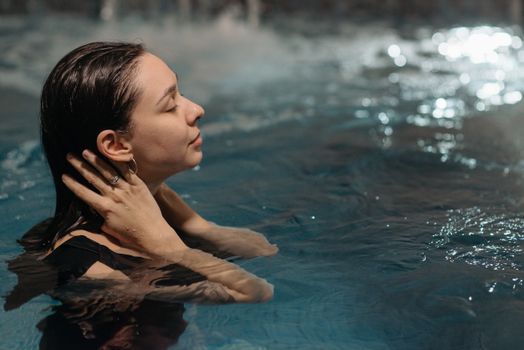
Most fitness gear follows the retail calendar, so November is the low point. Cold plunges follow the weather, and the two do not line up.
Ice bath buying peaks in late spring and summer, when sitting in cold water is appealing and recovery content is everywhere. Sellers price accordingly. By February, the same inventory has sat through a winter of weak demand and the pressure to move it is real, which is where the deepest cuts tend to appear.
Black Friday lands in the middle: discounts exist because everything is discounted in November, but they are competing against a seasonal low that arrives a few months later. We have documented the same pattern on another product, where our WalkingPad discount history found February beating Black Friday by $50 on the same unit.
So the calendar advice for this category inverts the usual one. If you can wait until late winter, do. If you cannot, the rest of this page is about not overspending now.
What Each Tier Costs Today
| Setup | Price | Running cost |
|---|---|---|
| Insulated tub + ice | $149.99 | Ice, roughly $500/yr |
| Budget chiller kit | $409.99 | Electricity |
| Complete chiller unit | $849.99 | Electricity |
| Pro-grade tub | $1,499.99 | Electricity |
That ice figure is the one most buying guides leave out, and it changes the maths entirely. Buying bags of ice for regular plunging runs to roughly $500 a year, which means the $149.99 tub is not actually the cheap option over three years. It is the cheap option over three months.
Run it forward. Tub plus ice over three years is about $1,650. The $849.99 chiller unit plus electricity is considerably less. The chiller is not buying you better results, it is buying convenience and lower running costs, and the breakeven arrives faster than people assume.
Start With the Tub Anyway
Despite that arithmetic, the tub is still the right first purchase for almost everyone, and the reason is attrition rather than cost.
Cold plunging has a high quit rate. It is unpleasant by design, the novelty fades fast, and a large share of people who buy equipment in January are not using it by March. Spending $150 to find out whether you are one of them is a better bet than spending $850, and the tub resells easily if you are.
If you plunge three times a week through to February, the ice cost becomes annoying enough that the chiller justifies itself and you will know it. That is a decision made from evidence rather than enthusiasm, which is the same sequencing argument our home gym buying order makes about dumbbells.
The $409.99 chiller kit is the middle path if you are confident you will stick with it but not ready for the full unit.
The Timing Problem Nobody Mentions
Before any purchase, there is a training consideration that decides when you should plunge, and it is the thing the category markets hardest against.
Cold water immersion immediately after strength training blunts the hypertrophy and strength adaptations you just worked for. The cold suppresses the inflammatory signalling that drives muscle adaptation, which is precisely the signal you are trying to create. That is well established and rarely mentioned by anyone selling a tub.
The practical consequence is scheduling rather than avoidance. Plunge on rest days, or several hours away from lifting, or before training rather than after. If your plan was to finish every session with a plunge, the equipment will actively work against the training. Our cold plunge analysis goes through the evidence.
None of which means it is useless. For perceived recovery, for mood, and as a deliberately unpleasant thing you do on purpose, the case is reasonable. It is just not the post-workout recovery tool the marketing implies, and knowing that before spending $850 matters more than any discount.
What a Real Discount Looks Like
If you are buying in November anyway, here is how to judge the number.
Write today’s price down. The complete unit is $849.99 and the insulated tub is $149.99 on 4 November 2026. Compare any banner against those rather than against a struck-through figure, which in this category is frequently a list price nobody has paid.
Discount the percentage, check the total. Cold plunge listings churn heavily and many are from sellers who appeared in the last year. A 50 percent claim on a product with no price history is meaningless.
Treat under $600 for a full chiller unit as genuinely good. Above $700 you are close to the standing price and the February window is a better bet.
Check the chiller spec, not just the tub. Horsepower and how cold it actually holds the water matter more than gallons. A cheap kit that cannot hold temperature in a warm garage is not a saving. Our cold plunge roundup and recovery gear guide cover the specifications.
The Free Version Is Genuinely Fine
Worth saying plainly, because the equipment is not the thing producing the effect.
A cold shower, or a bath filled with cold tap water and a few bags of ice, delivers cold exposure. Water temperature and duration are what matter, not whether the vessel was purpose-built. In winter, tap water in an unheated bathroom is already cold enough in much of the country to make a plunge genuinely unpleasant, which is the operative quality.
What equipment buys is consistency and convenience: a tub you do not have to fill and drain each time, water held at a set temperature, and a setup that lives outside rather than monopolising the bathroom. Those are real benefits for someone plunging several times a week and worth nothing to someone doing it twice a month.
So the sequence we would actually recommend: cold showers for a month, then a tub and ice if you kept it up, then a chiller when the ice runs become the limiting factor. Each step is paid for by evidence from the previous one, and that same logic runs through our guide to not quitting in February.
How We Evaluate
We do not own a cold plunge and we will not imply we do. Prices come from the sellers’ own Amazon listings, checked by direct navigation on 4 November 2026: insulated 85-gallon tub at $149.99, budget chiller kit at $409.99, complete chiller unit at $849.99 and a pro-grade tub at $1,499.99. The annual ice estimate of roughly $500 is arithmetic based on regular bagged-ice purchase and will vary considerably by location and frequency, so treat it as an order of magnitude rather than a figure. The statement that post-exercise cold immersion blunts strength and hypertrophy adaptations reflects the published research, covered with citations in our linked analysis. Seasonal timing is our editorial judgment based on category demand patterns, labelled as such.
The Short Version
Wait until February if you can. Demand collapses over winter and the real clearance window is late winter into spring, not November.
Start with the $149.99 tub. High quit rate in this category makes a cheap trial the sensible first step, and it resells easily.
Budget for ice, or skip to a chiller. Roughly $500 a year of bagged ice means the $849.99 unit breaks even faster than the sticker suggests.
Do not plunge straight after lifting. It blunts the adaptation you just trained for. Rest days or several hours apart.
Under $600 for a full unit is a real deal. Above $700, wait. Our Black Friday guide and price tracking cover how to judge the claim.
Check Cold Plunge Tub Price → Check Chiller Unit Price →
FAQ
Do cold plunges go on sale for Black Friday?
Yes, but it is not the best window. Ice bath demand peaks in spring and summer, so sellers carrying stock through a weak winter tend to discount hardest from February onward. November discounts compete against a seasonal low a few months away.
Is a chiller worth it over ice?
Over three years, usually. Regular bagged ice runs to roughly $500 a year, so a tub plus ice costs more across that span than a chiller unit plus electricity. The chiller buys convenience and lower running costs, not better results.
What is a good Black Friday price for a cold plunge?
Under $600 for a complete chiller unit is genuinely good against today’s $849.99. Above $700 you are close to the standing price. For tubs alone, under $120 is worth taking.
Should I cold plunge after lifting?
No. Cold immersion immediately after strength training suppresses the inflammatory signalling that drives adaptation, which blunts the gains from the session. Plunge on rest days or several hours away from training.
Can I just use a cold shower?
Yes, and for most people starting out that is the sensible test. Temperature and duration produce the effect, not the vessel. Equipment buys consistency and convenience, which matter only once the habit is established.