
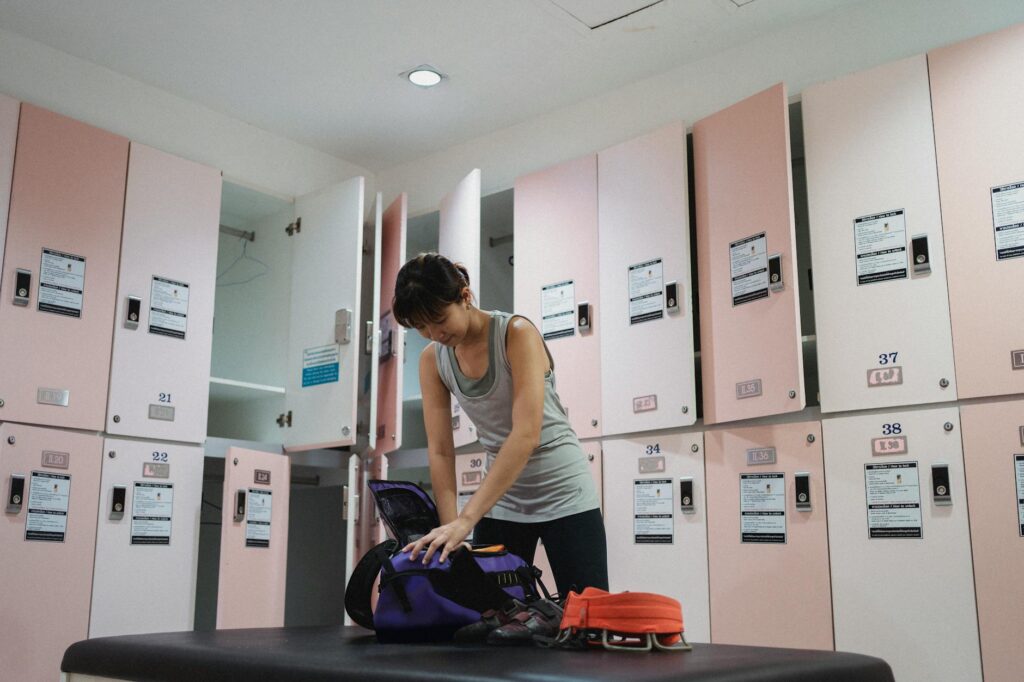
Best Gym Bag in 2026: Ranked for Athletes Who Actually Train
Most gym bags look good on Amazon photos and fall apart in 6 months. These five have been vetted for real daily use: the right size, the right organization, and materials that last.
Best overall: Nike Brasilia 9.5 ($45–$55): the benchmark daily gym bag, durable, well-organized, good shoe compartment, right price. Best for serious athletes: Osprey Transporter Duffel ($120): bulletproof build, carries everything, packs as checked luggage. Best budget: Amazon Essentials Foldable Duffel (~$27): functional, folds flat, holds a huge 150L, no frills. Best for minimal carriers: Lululemon Everywhere Belt Bag ($38): essentials only, works for quick sessions.
What Actually Matters in a Gym Bag
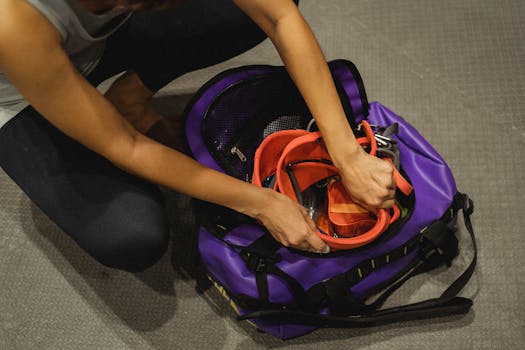
Four variables separate good gym bags from frustrating ones. Organization: a bag where everything goes in one main compartment forces you to dig for your earbuds every session. Look for a dedicated shoe compartment (ventilated is better), a water bottle pocket, and at least one interior organizational pocket for small items. Material: nylon and polyester hold up to years of daily use; canvas looks good initially but frays at stress points. Size: 25–35L covers most gym-only trips; 45L+ is needed if you change for work or need laptop space.
#1 Best Overall: Nike Brasilia 9.5 Training Duffel
The Nike Brasilia 9.5 has been the benchmark recommendation for daily gym use for several product generations because it consistently gets the fundamentals right at the right price. The 24L (small), 41L (medium), and 60L (large) size options cover every use case from quick sessions to overnight trips. The dedicated shoe compartment is ventilated, important for not infecting the rest of your bag with post-workout shoe smell. The main compartment has a secondary interior organizational zippered pocket. The water bottle side pocket is wide enough for a 32oz Nalgene.
After a year of daily use (250+ trips) the zippers, handles, and nylon construction hold without issues. At $45–$55, it is the correct default recommendation for any athlete who does not have specific requirements that would push them toward a more expensive option.
#2 Best for Heavy Use and Travel: Osprey Transporter Duffel
The Osprey Transporter Duffel (40L) is built to a standard that most gym bags never approach. The 420D nylon fabric is bluesign-certified and abrasion-resistant to a degree that is genuinely overkill for gym use, which is why it lasts for years. The U-shaped main compartment opening allows full access to the interior without digging. Dual external zippered pockets handle quick-access items. The padded shoulder strap and haul handle make longer carries comfortable.
For athletes who travel regularly for competitions, training camps, or work (and want a bag that handles checked-luggage stress as well as gym use) the Osprey is the correct investment. The all-lifetime guarantee means if anything fails, Osprey replaces it. For athletes who only use a bag for driving to the gym, this is more bag than you need.
#3 Best Budget: Amazon Basics Lightweight Foldable Duffel
The Amazon Basics sport duffel does the job for athletes on a budget or who lose bags regularly and do not want to lose $100 when it happens. 40L capacity, one main compartment, one exterior zip pocket, one end pocket for shoes, water bottle holder. Construction is functional rather than premium. The nylon is lighter weight than Nike or Osprey and the zippers are adequate but not exceptional. For the price, it is objectively good value.
#4 Best Backpack Option: Under Armour Undeniable 5.0
For athletes who commute to the gym and want one bag that works for gym and work, a backpack format solves the shoulder-carry ergonomics problem that makes duffels uncomfortable over long distances. The UA Undeniable 5.0 has a dedicated ventilated shoe bag compartment, a padded laptop sleeve (up to 15″), organizational pockets, and a water-resistant finish. At 26L it fits everything for a gym session plus a work laptop and lunch without being oversized.
#5 Best Minimal Option: Lululemon Everywhere Belt Bag
For athletes who go straight from work to the gym with minimal gear (earbuds, phone, keys, a protein bar, a set of lifting gloves) the belt bag format eliminates the need for a full bag. The Lululemon Everywhere Belt Bag (1L) clips around the waist or across the chest and holds exactly what you need for a lean gym session. It is not for athletes who bring a change of clothes, multiple supplements, and a foam roller. It is for athletes who want zero bag friction for short, focused sessions.
What to Actually Keep in Your Gym Bag
Most gym bags become a chaotic collection of expired protein bars, single AirPods, and gym chalk dust within three months. A simple system prevents this: keep only things you use every session in the permanent bag (lock, headphones, lifting belt if applicable, chalk if applicable, water bottle), restock consumables (pre-workout, protein, snacks) before each session rather than keeping them permanently in the bag, and do a weekly empty-and-check to remove used items and expired products.
The ventilated shoe compartment is worth using, post-workout shoes generate significant moisture and bacterial growth. Air drying them in a ventilated compartment rather than sealed in the main bag significantly extends shoe lifespan and reduces bag odor. A small mesh laundry bag for used workout clothes (before the post-gym shower) solves the wet-clothes-in-bag problem that ruins bags and equipment over time.
Common Questions
What size gym bag do most people need?
For gym-only sessions (change at the gym, no work bag): 25–35L. For gym plus work commute or overnight trips: 40–50L. The most common mistake is buying too large, a 60L bag for gym-only sessions means everything slides around and nothing is organized. Size down to what you actually carry, not what you might carry someday.
How do you keep a gym bag from smelling?
Three things: use the ventilated shoe compartment rather than putting shoes in the main bag, remove sweaty clothes immediately after every session (do not leave them overnight in the bag), and periodically machine wash gym bags that are machine-washable (most nylon bags are, check the tag). A small cedar ball or activated charcoal sachet in the bag between uses helps control residual odor.
Are expensive gym bags worth it?
For daily use athletes: yes, above approximately $50. Bags in the $45–$80 range last 2–4 years of daily use. Bags under $30 typically last 6–18 months before zipper failures or strap deterioration. The cost-per-use math favors spending more once rather than replacing cheap bags repeatedly. Above $120, you are primarily paying for travel-grade construction and premium materials that are genuinely useful for athletes who travel frequently but overkill for drive-to-gym use.
Related: Best Resistance Bands · Best Home Gym Equipment · Best Kettlebell · How to Build a Strength Program
Full Comparison: All Five Bags Side by Side
| Bag | Price | Volume | Shoe Compartment | Water Resistance | Best For |
|---|---|---|---|---|---|
| Nike Brasilia 9.5 | $45–$55 | 41L | Yes, ventilated | Moderate | Daily gym use |
| Osprey Transporter Duffel | $120 | 40L | No (single compartment) | High, tarp construction | Serious athletes, travel |
| Under Armour Undeniable 5.0 | $55–$65 | 41L | Yes, vented | Moderate | Daily use, organization-focused |
| Amazon Essentials Sport Duffel | $25 | 40L | Yes | Low | Budget, infrequent use |
| Lululemon Everywhere Belt Bag | $38 | 1L | No | High | Minimal carry, quick sessions |
What to Pack: By Workout Type
The right bag size is determined by what you actually need to carry. Here is a packing breakdown by training context:
Strength Training (Gym Only)
A 25–35L bag handles everything for a dedicated lifting session: gym shoes, training belt, wrist wraps, chalk bag, water bottle, pre-workout, phone, and a post-workout snack. The Nike Brasilia 9.5 in the small or medium size covers this perfectly. If you change at the gym, add 5–10L for clothes.
Morning Workout Before Work
This is where bag choice matters most. You need workout gear, work clothes, toiletry kit, and professional items like a laptop or notebook, often in the same bag. A 40–45L duffel handles this, but organization becomes critical. Look for a bag with a separate shoe compartment (keeps work clothes clean), a toiletry-accessible exterior pocket, and a laptop sleeve. The Under Armour Undeniable 5.0 is built for exactly this use case. The Osprey Transporter works if you prefer a single-compartment approach and pack methodically.
CrossFit or HIIT Classes
CrossFit athletes typically need: workout shoes, jump rope, lifting shoes (if using), belt, knee sleeves, and chalk. A 30–40L bag with a ventilated shoe compartment and easy-access exterior pocket for chalk covers this. If you’re going straight from work, size up to 40–45L for a change of clothes. A valuables-secured interior pocket matters if you leave your bag in a communal area during class.
Running or Cardio Only
If you’re not changing shoes at the gym and only need a change of clothes, water, and earbuds, a 20–25L bag is plenty, or even the Lululemon belt bag if you run to the gym. Over-bagging for cardio sessions is a common mistake: carrying 10 pounds of empty bag space adds unnecessary friction to sessions that should feel light and easy.
Making Your Gym Bag Last: Care and Longevity
A good gym bag bought once beats a cheap bag replaced every year. A few habits that extend bag life significantly:
Air out after every use. Sweat-damp bags left zipped are how mold and permanent odors develop. Open all compartments after each session and leave the bag open overnight before storing. Even five minutes of airflow helps.
Use a shoe bag. Even ventilated shoe compartments transfer odor to other items over time. A simple mesh shoe bag costs $5–10 and adds a barrier. Your gym clothes will smell meaningfully better.
Spot clean zippers.** Zipper failures are the most common reason gym bags die prematurely. Dirt and chalk accumulate in zipper teeth and cause premature wear. A quick wipe with a damp cloth every few weeks and occasional treatment with zipper lubricant (beeswax or dedicated zipper lube) keeps them running smoothly for years.
Machine wash carefully. Most nylon duffels can be machine washed on a gentle cycle in cold water with no spin, check the label. Never put a bag with leather accents or structured panels in a machine. Air dry only; dryer heat degrades nylon coatings and glued seams.
Treat odors early. A light spray of white vinegar diluted 1:1 with water, left to air dry, neutralizes gym bag odors without damaging fabric. Activated charcoal inserts left in the bag between uses absorb ambient moisture and odor continuously.
Frequently Asked Questions
What size gym bag do I actually need?
For gym-only sessions with no work clothes: 25–35L. For gym plus work clothes or a change of outfit: 40–45L. For travel plus gym use: 45–60L. Most people over-buy on size, a 25L bag used efficiently beats a 60L bag half-empty and awkward to carry. Start smaller than you think you need; you can always upsize after a few weeks of testing what you actually carry.
Is it worth spending $100+ on a gym bag?
If you go to the gym four or more times per week, yes: amortized over two to three years of daily use, a $120 Osprey costs less per use than a $25 bag replaced every six months. The quality difference in zippers, fabric durability, and stitching is significant at the $80–$120 price point. Below $50, quality drops sharply at the seams and zipper pulls. These are the first failure points on budget bags.
Should I get a backpack or a duffel for the gym?
Duffels are better for gym use: easier to pack and unpack quickly, more volume per exterior size, and better for bulk items like shoes. Backpacks are better if you commute by bike or need your hands free walking to the gym, or if you need laptop space for work. Many serious gym-goers own both: a duffel for gym sessions, a backpack for gym-plus-commute days.
How do I keep my gym bag from smelling?
Three habits eliminate 90% of gym bag odor: (1) use a separate shoe bag so shoe smell stays contained, (2) never leave wet or damp clothes in the bag: bring a plastic bag for post-swim or post-shower clothes, and (3) air out the bag after every session. An activated charcoal insert helps maintain freshness between uses. Once a bag has developed a deep mold odor from being left closed and wet, it is very difficult to fully eliminate, prevention is significantly easier than cure.