
HRV Training: How to Use Heart Rate Variability Data to Train Smarter
HRV is your body’s most honest feedback signal. Here is what it actually measures, what affects it, and how to use it to make better training decisions without becoming obsessed with a number.
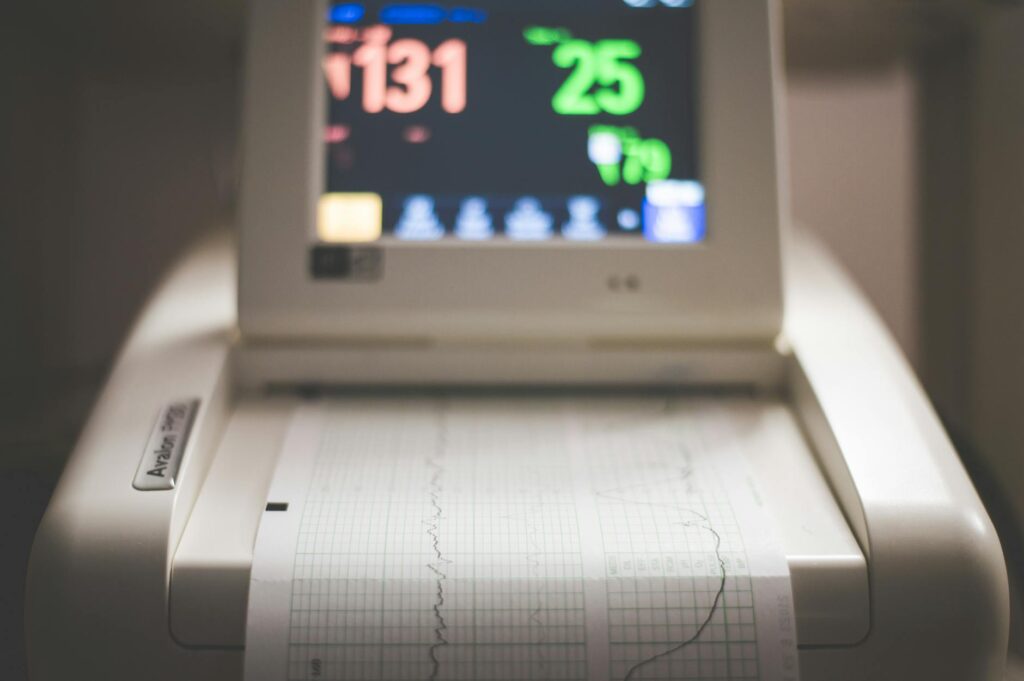
Heart rate variability is the variation in time between consecutive heartbeats. When you breathe in, your heart speeds up slightly. When you breathe out, it slows down. The size of that variation (the variability) reflects how well your autonomic nervous system is functioning. High variability generally means your nervous system is recovered and adaptable. Low variability means it is under stress, whether from training load, poor sleep, illness, or life stress.
HRV is the most useful recovery signal available to athletes because it integrates everything. A night of bad sleep, a hard training block, a stressful week at work, a developing illness, all of these suppress HRV before you consciously feel the effects. That is why a morning HRV reading, taken consistently over weeks, becomes a genuinely predictive tool.
What HRV Actually Measures
Your autonomic nervous system has two branches: the sympathetic (fight-or-flight, activating) and parasympathetic (rest-and-digest, recovering). High HRV reflects dominant parasympathetic activity: your nervous system is relaxed, recovered, and ready to handle stress. Low HRV reflects dominant sympathetic activity, your system is under load and prioritizing conservation over performance.
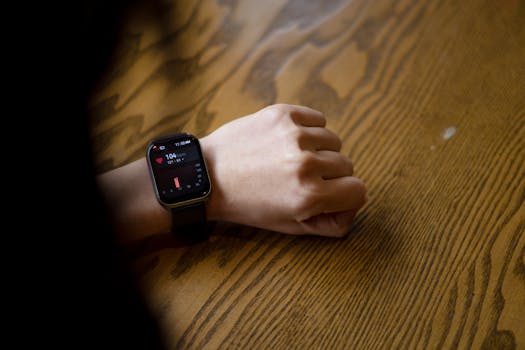
HRV is measured in milliseconds and expressed as RMSSD (root mean square of successive differences), the standard metric used by consumer wearables. The absolute number matters less than your personal baseline. A reading of 45ms is excellent for one athlete and below average for another. What matters is how your current reading compares to your own recent trend.
How to Measure HRV Correctly
Consistency in measurement conditions matters more than the device you use. HRV fluctuates throughout the day and is most stable immediately after waking, before getting out of bed. The best protocol: wake up, lie still for two minutes, take your reading. Do this at the same time every day. Devices like the WHOOP 5.0 and Oura Ring Gen 4 automate this by measuring overnight and surfacing a morning score, the most reliable method for athletes.
After two to four weeks of consistent measurement, a baseline emerges. That baseline is the reference point for all future decisions. A reading 10–15% below your recent average is a meaningful signal. A reading within normal variation is not.
What Suppresses HRV
Training load is the most common cause of HRV suppression in athletes. A hard session raises sympathetic activity; recovery brings parasympathetic activity back. If you train before HRV has recovered, you compound the suppression. Over time this becomes overreaching.
Alcohol is one of the most potent HRV suppressants available. Even one drink suppresses HRV measurably the following morning, two or three drinks can drop it 15–25% below baseline. If you are tracking HRV and your scores are inconsistent, alcohol is the first variable to control.
Poor sleep (specifically less than six hours, or fragmented sleep) consistently suppresses HRV. The connection is direct: slow-wave sleep is when most autonomic recovery occurs. Cut it short and HRV reflects it.
Life stress is real and measurable. Mental and emotional stress activates the sympathetic nervous system in ways physiologically identical to physical stress. Your body does not distinguish between deadline anxiety and hard intervals, both suppress HRV. This is why HRV-based training decisions need context, not just the number.
How to Make Training Decisions with HRV
The simplest framework, used by most HRV-informed coaches:
| HRV Status | What It Means | Training Decision |
|---|---|---|
| 10%+ above baseline | Excellent recovery | Push hard, high-intensity or high-volume session |
| Within normal range | Normal recovery | Train as planned |
| 5–10% below baseline | Mild suppression | Reduce intensity: aerobic work only, skip intervals |
| 10%+ below baseline | Significant suppression | Rest day or very light movement only |
This framework is not rigid. Context matters. A single low reading before a competition does not mean you are overreached. It might mean race-day nerves. A week of consistently below-baseline readings during a normal training load means something is wrong with your recovery, and you should find it before adding more training.
Common Mistakes with HRV Training
Making decisions from a single reading. One low HRV morning is meaningless. A trend over three to five days is the signal. Do not skip a session because of one bad morning number.
Ignoring context. If you know you slept badly, or drank last night, or are under unusually high stress, a low HRV reading is explained. The interesting readings are the ones where your life felt normal but HRV was low anyway. Those are early warning signals worth taking seriously.
Optimizing HRV instead of using it. HRV is a signal, not a goal. Reducing training load to keep HRV artificially high defeats the purpose, training stress is supposed to suppress it temporarily. The goal is to see HRV recover fully between hard sessions, not to maximize the number.
Best Devices for HRV Tracking
The WHOOP 5.0 and Oura Ring Gen 4 are the two most reliable consumer HRV trackers. Both measure overnight and deliver a morning score; both have validated their HRV measurement against research-grade equipment. The Garmin Forerunner series also measures HRV via the Body Battery and HRV Status features, less granular but useful if you already wear a Garmin. See our Best Recovery Trackers guide for a full comparison.
HRV Biofeedback: Training Your Nervous System Directly
Beyond using HRV as a passive measurement tool, some athletes use HRV biofeedback actively, using real-time HRV data during practice sessions to train their autonomic nervous system to recover faster. The protocol, called Heart Rate Variability Biofeedback (HRV-BF), involves slow resonance breathing (typically 5–6 breaths per minute) while watching your real-time HRV on a compatible app. This breathing pattern activates the baroreflex (a cardiovascular feedback loop) and over 4–6 weeks of regular practice produces measurable increases in resting HRV and improvements in stress reactivity.
The research on HRV biofeedback is more robust than on most wearable interventions. Multiple RCTs have shown improvements in anxiety, performance under pressure, and recovery metrics in athletes following structured HRV-BF protocols. Apps like Elite HRV, HeartMath Inner Balance, and Polar’s own app support real-time biofeedback sessions. The practice requires only 15–20 minutes daily and needs a chest strap for accurate real-time measurement.
Using HRV to Peak for a Competition
HRV trending over a training block provides objective data for competition timing. During a high-volume training phase, HRV typically trends downward as cumulative fatigue accumulates. This is expected and indicates the training stimulus is being applied. During a taper (2–3 weeks of reduced volume before competition), HRV should trend upward as the nervous system recovers and supercompensation occurs. Athletes who see HRV returning to or exceeding their baseline during the taper are physiologically primed for peak performance.
If HRV does not recover during a taper, it indicates the previous training block was too aggressive or the taper is not long enough. This is actionable data: extending the taper by 3–5 days and watching whether HRV responds gives you objective information for adjusting competition timing. Athletes who have tracked HRV through multiple training cycles develop an intuitive understanding of their personal taper response that makes competition preparation more predictable over time.
HRV Apps and Measurement Tools Compared
For daily tracking, WHOOP and Oura Ring are the gold standards, overnight measurement removes user error and provides consistent baseline data. For manual measurement sessions (biofeedback, spot checks, or tracking without a wearable subscription), the Polar H10 chest strap paired with Elite HRV or the Polar Flow app provides research-grade accuracy for under $100. For basic daily checks without a dedicated recovery tracker, Apple Watch‘s Heart Rate Variability feature in the Health app records HRV passively throughout the day, less controlled than dedicated overnight measurement but better than nothing for athletes on a budget.
Measuring HRV Accurately
HRV training only works if your readings are trustworthy, and that means a chest strap or a dedicated wearable rather than casual wrist readings. A Polar H10 feeds most HRV apps directly; a WHOOP or Oura Ring automates it overnight.
Frequently Asked Questions
How quickly does HRV respond to training changes?
HRV responds to acute training stress within 12-24 hours, a hard session suppresses HRV the following morning. Chronic adaptations from consistent training take 4-8 weeks to show as a baseline increase. The short-term suppression is expected and normal; the long-term trend rising over months of consistent training is the positive adaptation signal.
Should you train if your HRV is low?
A single low HRV morning is not a reason to skip training. It is information. A week-long trend of suppressed HRV is more meaningful. Context matters: if you know why your HRV is low (hard session yesterday, poor sleep, stress), you can make an informed decision. If your HRV is chronically low without obvious cause, that warrants investigation before adding more training stress.
This guide covers the most important considerations for making the right decision. The best tool is the one you will use consistently, accuracy of data matters less than the habit of collecting and acting on it. Whether you are choosing between devices, building a tracking routine, or optimizing an existing system, start with one clear goal, pick the tool that serves it best, and give it at least eight weeks before evaluating whether it is working. Data compounds over time; the athletes who get the most from their devices are those who have been consistent the longest.
Devices That Track HRV
HRV tracking is only as good as the hardware measuring it. These are the devices with the strongest validation data for HRV accuracy.
WHOOP 5.0 is also an excellent HRV tracker but is only available direct from WHOOP.
Related: WHOOP 5.0 Review · Oura Ring Gen 4 Review · How to Build a Recovery Stack · Best Recovery Trackers of 2026 · complete HRV guide · how to read your recovery score · how to improve VO2 Max · Polar H10 review