
37 books the training
world actually argues about.
Not a list we skimmed. For each one you get what it argues, who it is for, and where it stands today, including the parts that have not aged well.
How We Picked These
These are the books the running and lifting worlds actually pass around. The ones that get recommended in group chats, quoted in podcasts, and argued about on forums for a decade after publication.
What this list is not: a claim that we have read all 37 cover to cover. We have not, and you would smell it if we said otherwise. This is a curated list of the most influential and most widely recommended books in each area. For each one you get what it actually argues, who it is for, and why it earned a slot.
One more thing, and it is the part most lists skip. Some beloved books have documented factual problems. Saying so is awkward when there is a commission attached to the link. We would rather tell you anyway, because a book can be worth reading and still be wrong in places, and you deserve to know which parts to hold loosely.
Where a book has a real scientific dispute attached, we say so and name the basis. Where it is our judgment call rather than a published finding, we label it as ours.
Running
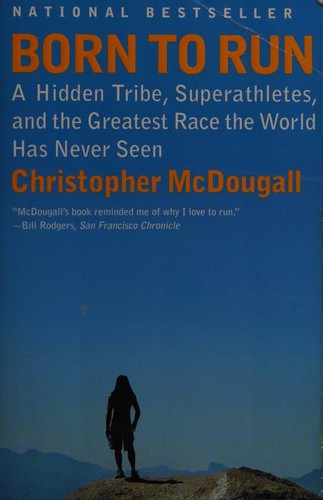
Born to Run
The argument: Humans evolved as endurance runners, and modern cushioned shoes have made us weaker and more injury prone. Built around the Tarahumara of Mexico’s Copper Canyons and one of the best pieces of sports narrative written this century.
Who it’s for: Anyone who has lost the joy and wants it back. It is genuinely thrilling.
Where it stands: The story holds up completely. The footwear conclusion did not. Vibram paid $3.75 million in 2014 to settle false advertising claims over its FiveFingers shoes reducing injury, and agreed to stop making that claim without evidence. A December 2013 study of 99 recreational runners training for a 10K found the minimalist group got injured more, with extra shin and calf pain. The fairest summary is that barefoot style shifts load rather than removing it. Different, not better. Read it for the story. Do not buy shoes because of it.
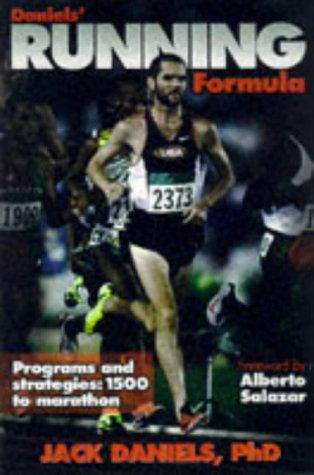
Daniels’ Running Formula
The argument: Training should be prescribed from your current fitness using VDOT, a single number derived from a recent race result, which then sets exact paces for easy, threshold, interval, and repetition work.
Who it’s for: Runners who want numbers instead of vibes. If you have ever wondered how fast your easy run should actually be, this answers it.
Why it’s here: It is the most quietly influential training book in distance running. Half the plans you have followed borrow from it whether they credit it or not. Pair it with our VO2 max calculator and heart rate zone calculator.
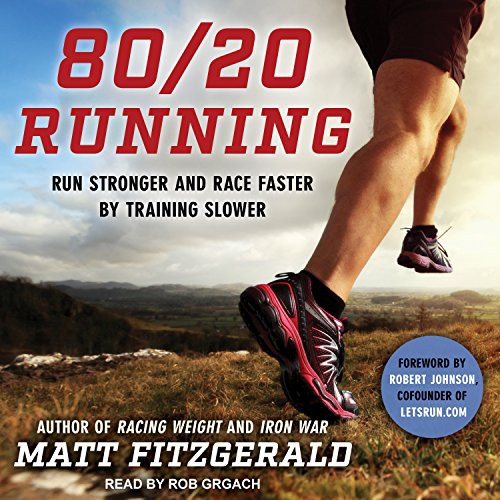
80/20 Running
The argument: Roughly 80 percent of your running should be genuinely easy and about 20 percent hard. Most recreational runners spend far too much time in a moderate middle zone that is too hard to recover from and too easy to drive adaptation.
Who it’s for: The runner stuck at the same 10K time for three years who runs every run at the same effort. Which is most of us.
Why it’s here: The polarized training distribution is one of the better supported ideas in endurance, and this is its most readable presentation.
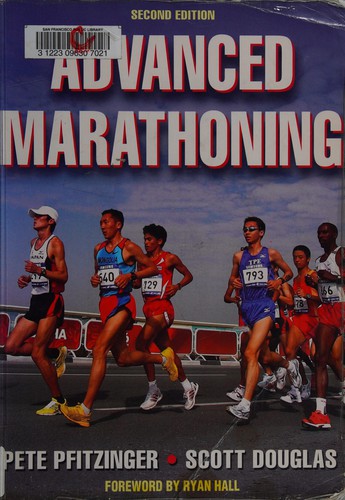
Advanced Marathoning
The argument: Structured marathon preparation built on high volume, lactate threshold work, and long runs with quality embedded rather than plodded.
Who it’s for: Second and third time marathoners chasing a specific number. Not your first marathon.
Why it’s here: The plans in the back are brutal and they work. Runners still refer to them by name, as in “I am doing Pfitz 18/70,” which tells you everything about its status.
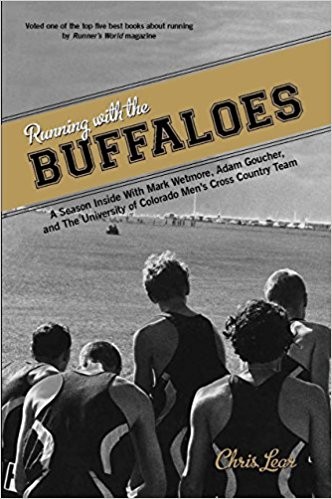
Running with the Buffaloes
The argument: No argument. It is a season embedded with the 1998 University of Colorado cross country team under coach Mark Wetmore, including Adam Goucher, through triumph and genuine tragedy.
Who it’s for: Anyone who wants to remember why they started.
Why it’s here: Cult classic status, entirely earned. Runners buy this one for other runners.
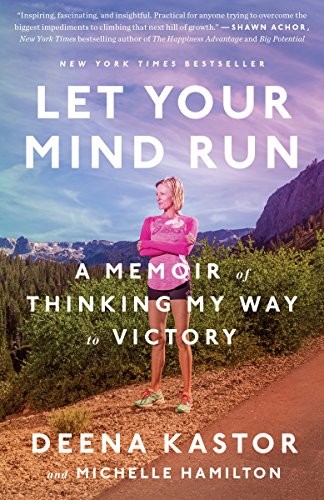
Let Your Mind Run
The argument: An American record holder and Olympic medalist credits a deliberate shift toward optimistic thinking for the strongest years of her career. Part memoir, part applied sports psychology.
Who it’s for: Runners whose internal monologue turns hostile somewhere around mile 18.
Why it’s here: It is the most concrete treatment of self talk in running writing, from someone who used it at the highest level. Our judgment: it is a personal account rather than a controlled study, and it reads best that way.
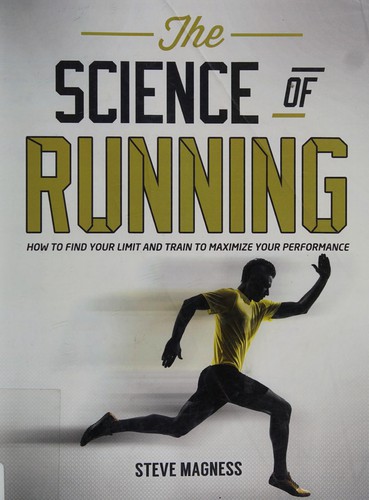
The Science of Running
The argument: Bridges the gap between exercise physiology papers and what a coach actually does on Tuesday. Covers fatigue, the limits of the lactate model, and individualized training design.
Who it’s for: Coaches, and self coached runners who want the mechanism rather than the plan.
Why it’s here: It is the technical book runners recommend when someone asks “okay, but why does that work?”
Strength
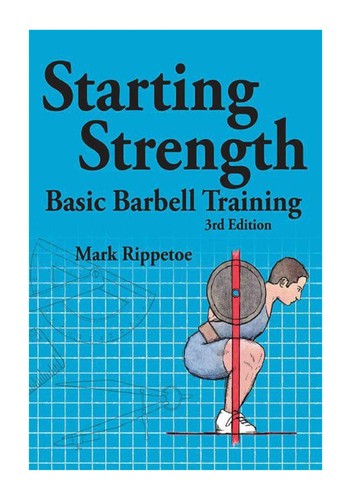
Starting Strength
The argument: Five compound barbell lifts, taught with obsessive attention to mechanics, run on linear progression until it stops working.
Who it’s for: Genuine beginners. If you have never squatted with a bar on your back, the coaching here is unmatched.
Where it stands: The technical instruction is the best in print and the reason it stays on lists like this. Our judgment: the nutrition chapters are dated and idiosyncratic, particularly around aggressive bulking, and the physiology sections state things more confidently than the field does. Take the coaching, leave the diet advice. Pair with our 1RM calculator and adjustable dumbbell picks.
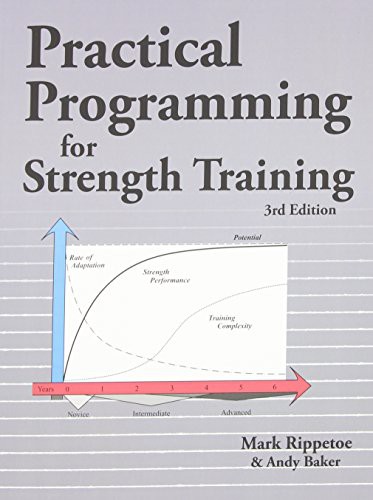
Practical Programming for Strength Training
The argument: The sequel that answers what happens when linear progression dies. Introduces intermediate and advanced programming structures and explains the logic behind each.
Who it’s for: The lifter who stalled and does not know what to change.
Why it’s here: It is the standard answer to “my novice program stopped working.”
Science and Practice of Strength Training
The argument: The academic foundation. Covers the three methods of maximal effort, repeated effort, and dynamic effort, plus periodization theory from the Soviet sports science tradition.
Who it’s for: Coaches, students, and lifters who want the actual research base rather than someone’s interpretation of it.
Why it’s here: Most popular strength writing is downstream of this book, often without attribution.
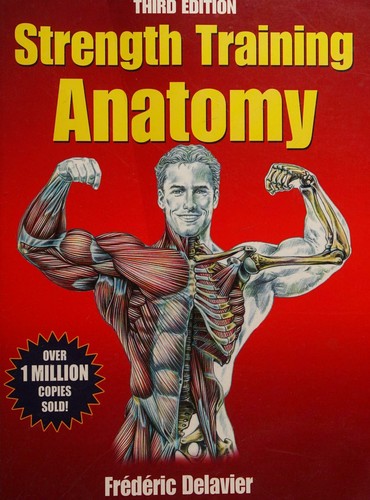
Strength Training Anatomy
The argument: Not an argument. It is anatomical illustration showing exactly which muscles work during each lift, cut away layer by layer.
Who it’s for: Visual learners, and anyone who has read “engage your lats” and had no idea what that meant.
Why it’s here: It makes abstract cueing concrete faster than any amount of text.
Endurance Science
Endure
The argument: The limits of human endurance are set as much by the brain as the body. Explores the central governor debate, psychobiological models, and what actually stops you when you stop.
Who it’s for: Anyone curious why they can always find a finishing kick they supposedly did not have.
Why it’s here: Hutchinson is careful with evidence in a genre that usually is not. When findings are contested, he says so. Related: our HRV and overtraining guide.
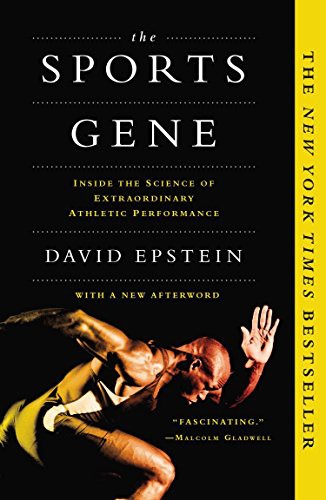
The Sports Gene
The argument: Athletic performance emerges from an interaction between genetics and training, and the popular framing of pure nature versus pure nurture is wrong in both directions.
Who it’s for: Anyone who has heard the 10,000 hours claim and suspected it was too tidy.
Why it’s here: It is the rare popular science book that got more credible with age. Epstein does the hard thing of following evidence somewhere uncomfortable.
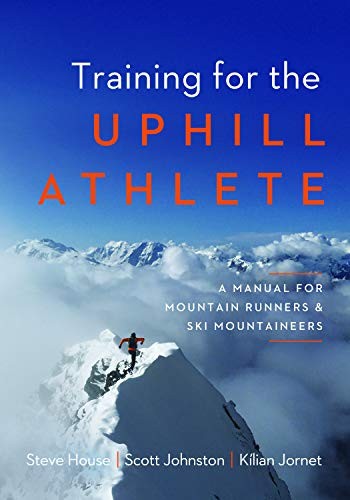
Training for the Uphill Athlete
The argument: Endurance training methodology adapted for mountain athletes, with heavy emphasis on aerobic base development and sport specific strength.
Who it’s for: Trail and mountain runners, ski mountaineers, and anyone whose training involves serious vertical.
Why it’s here: There is very little serious writing for the uphill athlete, and this is the best of it.
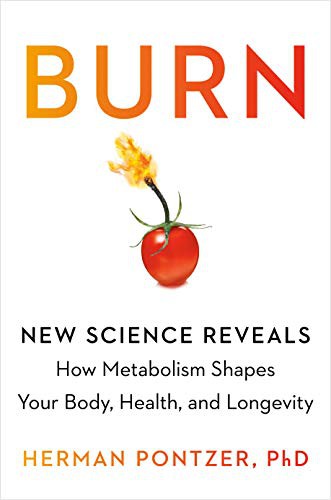
Burn
The argument: Based on metabolic research with the Hadza of Tanzania, argues that total daily energy expenditure is constrained rather than additive. Your body adjusts, which is why exercise alone is a poor weight loss lever.
Who it’s for: Anyone who has ever tried to out train a diet, or wondered why the treadmill calorie readout is a fantasy.
Why it’s here: It genuinely changed how the field thinks about energy balance. Related: our smart scale comparison.
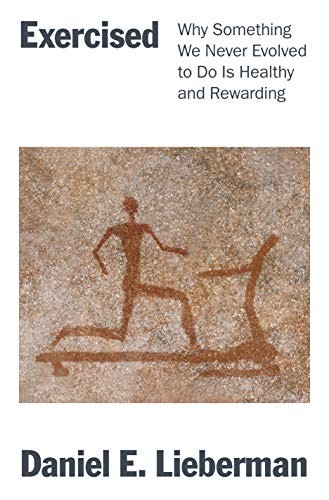
Exercised
The argument: We never evolved to exercise voluntarily, which is exactly why it feels hard and why willpower framing fails. Separates physical activity myths from what the evolutionary and clinical evidence supports.
Who it’s for: Anyone who feels guilty about not wanting to work out. The guilt is the wrong frame.
Why it’s here: Lieberman is a Harvard evolutionary biologist writing on his own research, and he is careful about the line between story and evidence.
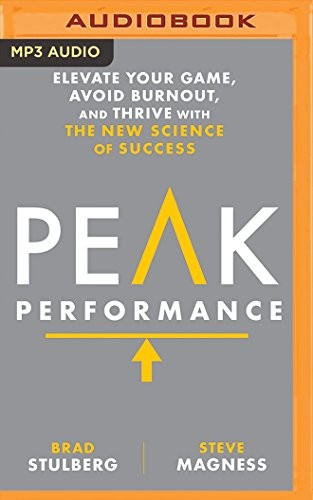
Peak Performance
The argument: Growth comes from stress plus rest, and the pattern holds across athletics, creative work, and intellectual performance. Rest is a component of training, not the absence of it.
Who it’s for: People who are good at the stress half and bad at the rest half.
Why it’s here: It is the most practical treatment of recovery as a skill rather than a passive gap.
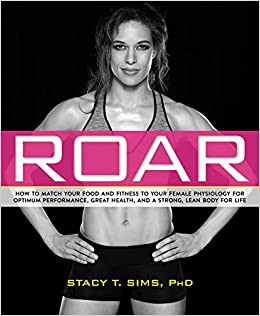
ROAR
The argument: Women are not small men, and training and fueling protocols developed on male subjects should not simply be scaled down.
Who it’s for: Women athletes tired of guidance that never once considered them.
Where it stands: The core argument is well taken and the underrepresentation of women in sports science research is real and documented. Our judgment: some of the specific prescriptions, particularly detailed menstrual cycle based training periodization, run ahead of the current evidence base. Take the framing seriously and hold the specific protocols loosely.
Sleep and Recovery
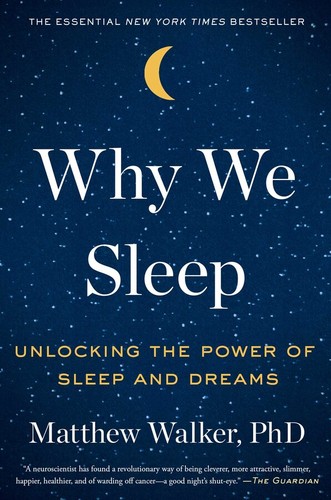
Why We Sleep
The argument: Sleep is the single highest leverage health behavior, and chronic short sleep drives everything from cognitive decline to disease risk. Written by a Berkeley neuroscientist.
Who it’s for: Anyone who treats sleep as the thing they cut when busy.
Where it stands: This is the book we most need to be honest about. In 2019, researcher Alexey Guzey published a detailed critique documenting what he presented as five significant errors in Chapter 1 alone, a chapter making up under 4 percent of the book. One documented case: a claim attributed to the WHO that Walker later corrected to the CDC. Even favorable reviewers, including Bill Gates, noted Walker does not consistently back claims with solid evidence. The core message that sleep matters enormously is not in dispute. Specific numbers and the strength of individual claims should be held loosely. Read it, then verify anything you plan to act on. Related: our sleep tracking guide and Apple Watch sleep accuracy analysis.
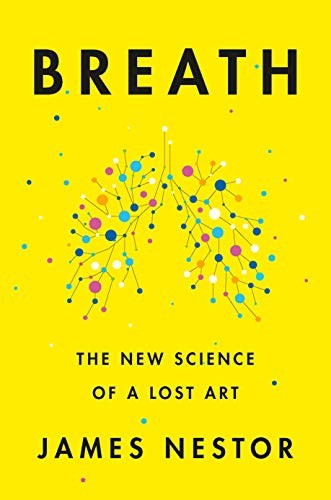
Breath
The argument: Modern humans breathe badly, mouth breathing causes downstream harm, and nasal breathing plus specific techniques can improve sleep, athletic performance, and health.
Who it’s for: Curious readers who enjoy immersive science journalism. It is a genuinely entertaining book.
Where it stands: Great read, shaky evidence base. Nestor described his own nose plugging experiment as not conclusive evidence of anything, which is admirably honest. On mouth taping specifically, the practice the book popularized: a 2024 review by Fangmeyer and colleagues found only nine studies evaluating it at all, and concluded the literature is markedly heterogeneous with little consensus on benefits. A 2025 systematic review in PLOS One flagged real risks including asphyxiation where nasal obstruction is present. If you have any nasal obstruction or suspected sleep apnea, this is a conversation for a doctor, not a roll of tape. Related: our sleep mask comparison.
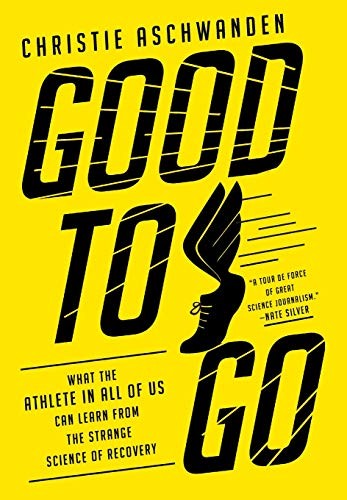
Good to Go
The argument: A science journalist systematically investigates the recovery industry: ice baths, compression, cryotherapy, supplements, sports drinks. Finds that most of it rests on thin evidence, and that sleep plus rest do the heavy lifting.
Who it’s for: Anyone about to spend serious money on recovery gear. Read this first.
Why it’s here: This is the most aligned book on the list with how we try to write. It follows evidence to unprofitable conclusions. Related: our marathon recovery tools guide and massage gun comparison.
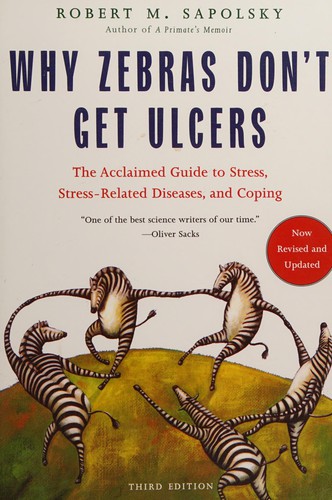
Why Zebras Don’t Get Ulcers
The argument: The stress response evolved for acute physical emergencies. Running it continuously for psychological stressors damages nearly every system in the body.
Who it’s for: Anyone whose training is going fine and whose life is not.
Why it’s here: Sapolsky is a Stanford neurobiologist and one of the best science writers alive. Thirty years on it remains the definitive popular treatment of stress physiology.
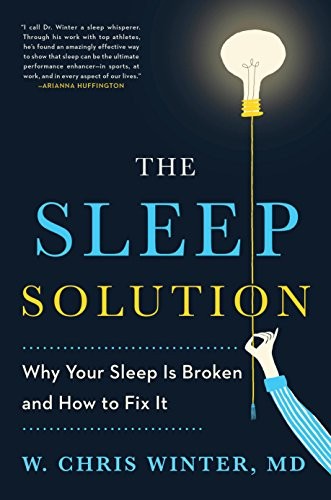
The Sleep Solution
The argument: A practical clinical guide to fixing sleep from a neurologist and sleep physician. Covers insomnia, the mechanics of sleep drive, and why sleep tracking anxiety often makes things worse.
Who it’s for: People who want to fix their sleep tonight rather than understand it broadly.
Why it’s here: It is the practical counterpart to Why We Sleep, written by a working clinician and noticeably more careful with claims.
Rest
The argument: Deliberate rest is a skill that produces output, not a reward for finishing work. Draws on the routines of scientists, writers, and athletes who worked less than you would assume.
Who it’s for: Anyone who feels guilty on rest days.
Why it’s here: It reframes recovery as an active practice, which is the mental shift most people need to actually take a rest day.
Mindset
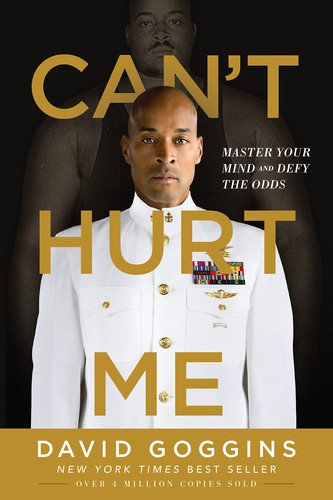
Can’t Hurt Me
The argument: Mental toughness is built by deliberately seeking suffering. Told through an extraordinary personal story of transformation from an abusive childhood to Navy SEAL and ultrarunner.
Who it’s for: People who need a hard shove rather than a gentle nudge. When it lands, it lands hard.
Where it stands: Read it as a memoir, not a training manual. The 40 percent rule is Goggins’ own heuristic, not a research finding, and he presents it as his own. Our judgment: the approach carries real overuse injury risk if applied literally, and Goggins himself has been open about the physical cost he paid. Take the mentality. Do not take the volume.
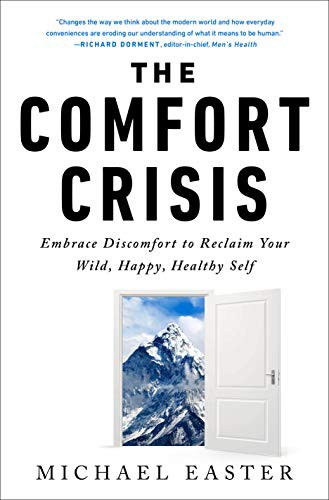
The Comfort Crisis
The argument: Modern comfort has removed stressors humans evolved to need. Framed around a month long Arctic caribou hunt, with chapters on rucking, boredom, hunger, and the Japanese misogi concept.
Who it’s for: Anyone whose training has become entirely climate controlled.
Why it’s here: It is the book that took rucking mainstream, and it is a genuinely good read. Our judgment: the underlying science is presented loosely in places, particularly around brown fat and boredom research. Related: our rucking backpack comparison and cold plunge guide.
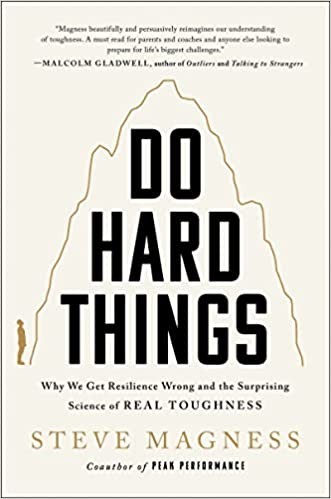
Do Hard Things
The argument: A direct rebuttal to the Goggins school. Real toughness is emotional regulation and accurate self assessment, not manufactured suffering. The bootcamp model of toughness is counterproductive.
Who it’s for: Everyone who read Can’t Hurt Me and felt something was off.
Why it’s here: We deliberately put these two next to each other. The disagreement between them is more useful than either book alone.
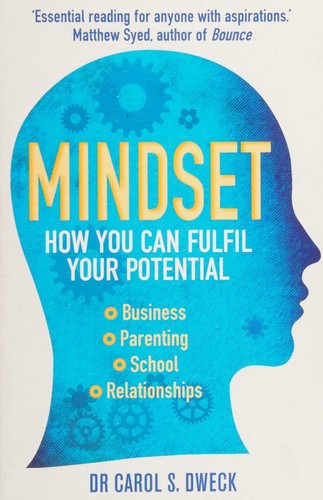
Mindset
The argument: Believing ability is developable rather than fixed changes how people respond to difficulty, and that belief is itself changeable.
Who it’s for: Anyone who avoids things they might be bad at.
Where it stands: The vocabulary this book gave us is genuinely useful. Our judgment: treat it as a helpful reframe rather than a settled finding. The size of the effect has been actively debated since publication, and later large scale work has generally found smaller effects than the book implies.
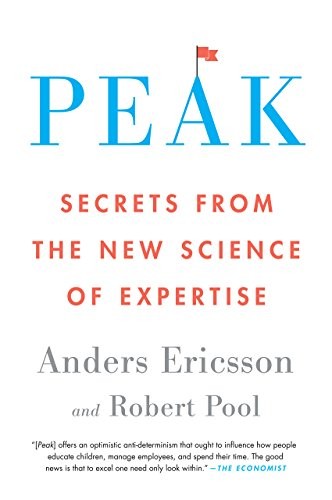
Peak
The argument: Expertise comes from deliberate practice, meaning focused, feedback driven work at the edge of ability, rather than raw hours accumulated.
Who it’s for: Anyone trying to get better at a skill and plateauing.
Why it’s here: Worth reading specifically because Ericsson uses it to push back on the 10,000 hours rule, which was Malcolm Gladwell’s popularization of his research and which Ericsson considered a distortion. Getting the correction from the source is the point.
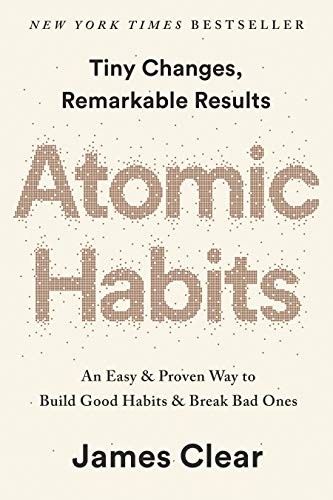
Atomic Habits
The argument: Behavior change works through system design rather than motivation. Make good behaviors obvious, attractive, easy, and satisfying.
Who it’s for: Anyone whose training fails on consistency rather than programming.
Why it’s here: The most practically useful habit book in print, and consistency is the actual limiting factor for most people reading this list.
Memoir and Narrative
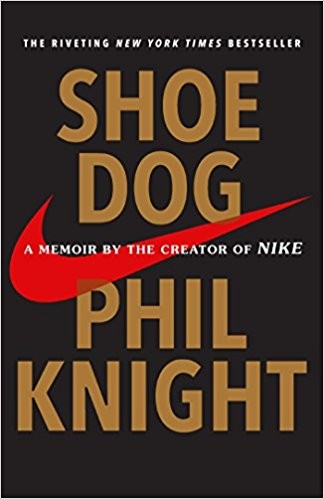
Shoe Dog
The argument: Knight’s memoir of building Nike from selling Japanese shoes out of a car trunk. Unusually candid about near bankruptcy, bad decisions, and doubt.
Who it’s for: Anyone interested in how the running industry actually got built.
Why it’s here: It is a far better book than a CEO memoir has any right to be.
What I Talk About When I Talk About Running
The argument: A novelist’s meditation on running as a discipline that shapes work and character. Quiet, unglamorous, and honest about the ordinary difficulty of continuing.
Who it’s for: Runners who do not race and do not want to.
Why it’s here: It is the least macho book on this list and possibly the most reread.
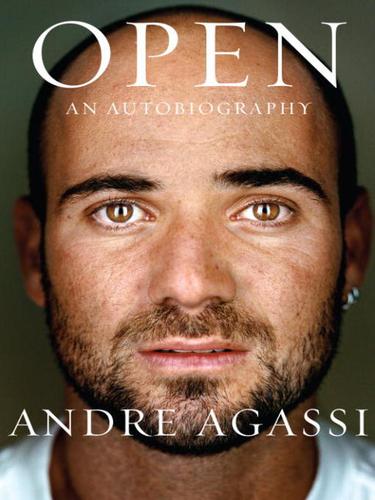
Open
The argument: An autobiography that opens by admitting he hated tennis, the sport he dominated. Brutally honest about pressure, identity, and a career built on someone else’s ambition.
Who it’s for: Anyone whose relationship with their sport has gotten complicated.
Why it’s here: Widely considered among the finest sports autobiographies ever written, and it earns that.
Eat and Run
The argument: Part ultrarunning memoir, part case for his plant based approach, tracing his rise through Western States and Badwater.
Who it’s for: Curious ultrarunners and anyone interested in endurance nutrition.
Why it’s here: Jurek is one of the sport’s defining figures and the writing is stronger than most athlete memoirs. Our judgment: the dietary case is his personal experience, not a controlled comparison. Related: our electrolyte powder guide.
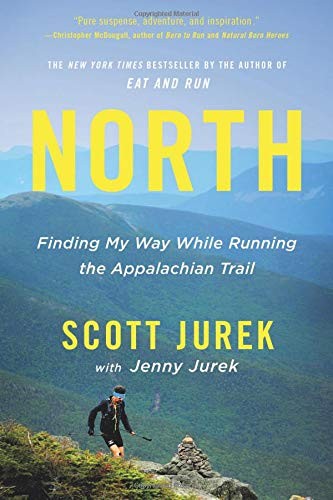
North
The argument: His attempt on the Appalachian Trail speed record, cowritten with his wife Jenny, who narrates alternating chapters from the crew side.
Who it’s for: Readers who want the unglamorous reality of a supported record attempt.
Why it’s here: The dual perspective structure is what makes it. It is honest about how badly it went at times.
Longevity
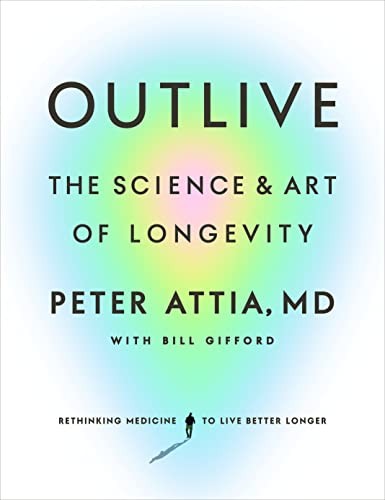
Outlive
The argument: Medicine should shift from treating disease late to preventing it decades early, targeting the four horsemen of heart disease, cancer, neurodegeneration, and metabolic dysfunction. Argues strongly for training aerobic base and strength as longevity interventions.
Who it’s for: People in their thirties and forties starting to think in decades.
Where it stands: The framework is sound and the emphasis on VO2 max and muscle mass as longevity markers reflects real evidence. Our judgment: some specific protocol recommendations, particularly around supplementation and aggressive intervention targets, run well ahead of clinical consensus. Attia is generally clear about which is which, but read for the framework rather than the prescriptions.
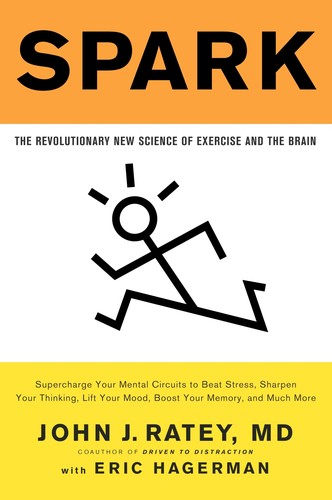
Spark
The argument: Exercise has direct, measurable effects on the brain through BDNF and neurotransmitter regulation, improving learning, mood, attention, and cognitive aging.
Who it’s for: Anyone who needs a reason to train beyond appearance.
Where it stands: The core relationship between exercise and brain health has strengthened considerably since publication. Our judgment: some specific claims from 2008 are stated more confidently than the research supported then, and a few individual studies cited have not replicated well. The direction is right. Treat the specific numbers as dated.
Disclosure
This page contains affiliate links. We may earn a commission on qualifying purchases made through them, at no extra cost to you. RepReturn is an independent, research driven review site, not a testing lab. Our picks come from manufacturer specifications, published validation research, independent accuracy comparisons, and long term owner reports.
Book selection here reflects influence and reputation within running and strength communities rather than a claim of personal readership. Where we note a scientific dispute, we name the source. Where it is our judgment, we say so. More on how we evaluate products.