
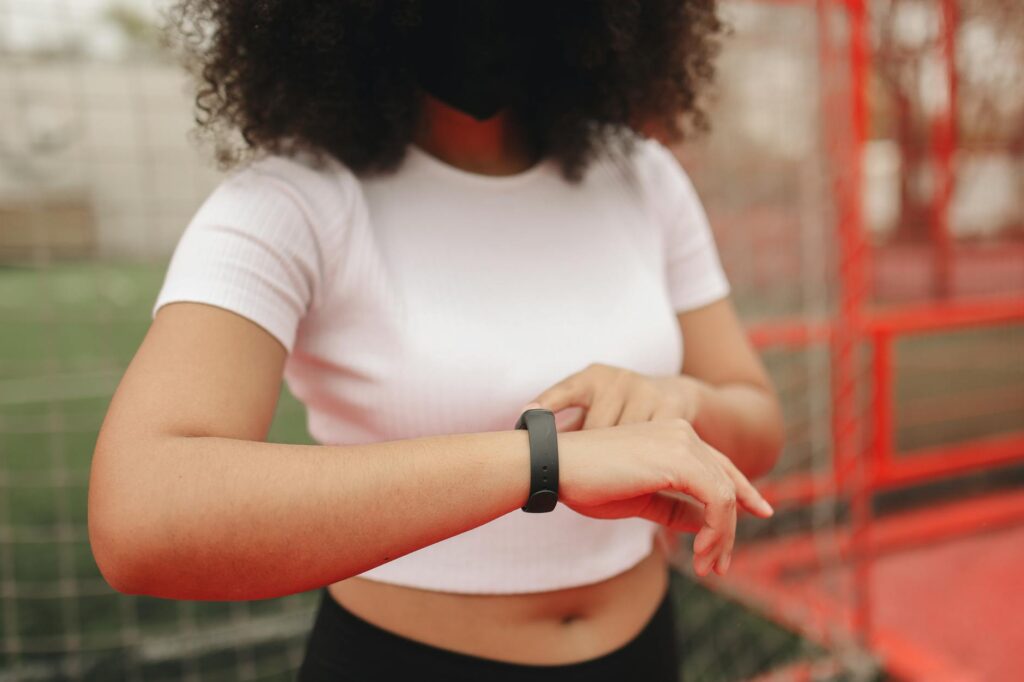
Garmin Venu 3 Review: The Best Fitness Smartwatch for Most People?
The Venu 3 sits at the crossroads of Garmin’s training intelligence and smartwatch lifestyle design. AMOLED display, 14-day battery, full Garmin analytics suite. Here is who it is actually for.
Yes for athletes who want Garmin’s training depth without the sport-watch aesthetic. The Venu 3 packages the full Garmin analytics suite — VO2 Max, Training Readiness, HRV Status, Body Battery — into a watch that looks appropriate in a business meeting. The 14-day battery and AMOLED display make it a genuinely excellent daily device.
Garmin makes two kinds of watches. The Forerunner series — sport computers built around training, GPS accuracy, and performance analytics. And the Venu series — the same analytical engine inside a watch designed for people who care how it looks at a dinner table. The Venu 3 is Garmin’s most capable lifestyle fitness watch to date, and after 10 weeks of daily use through training blocks, travel, and regular office life, it has earned its place as the recommendation for most athletes who do not need expedition-level ruggedness.
Display and Build Quality
The Venu 3 has a 1.4-inch AMOLED display with 454×454 resolution — the sharpest display Garmin has ever produced on a consumer watch. It is significantly more visually impressive than the Forerunner 265’s AMOLED and miles ahead of the MIP displays on Garmin’s sport-focused models. In direct sunlight the display stays readable, and the always-on mode shows a dimmed watch face that burns battery faster but makes the watch behave like a traditional timepiece.
The case is 45mm (also available in 41mm), aluminum with a glass lens. It is not as rugged as the titanium Fenix 7 or Forerunner 965, but it handles gym, outdoor, and swim use without issues — rated to 5 ATM water resistance. The build feels premium rather than tactical: thinner bezels, a smoother finish, watch bands that look appropriate with casual and business attire. This aesthetic distinction is the entire point of the Venu line.
Health and Training Analytics
The Venu 3 runs the full Garmin analytics suite: HRV Status, Body Battery, Training Readiness, VO2 Max, Training Status, Training Load, sleep staging, respiration tracking, Pulse Ox, and stress tracking. This is the same analytical engine as the Forerunner 265 — not a stripped-down lifestyle version. The morning briefing shows Body Battery, Training Readiness, and HRV Status before you get out of bed. Daily training guidance suggests workout type and intensity based on your current recovery state.
Sleep tracking on the Venu 3 is excellent — sleep staging data is consistent and the nightly HRV reading is reliable for trend tracking. In head-to-head comparison with Oura Ring Gen 4 data collected simultaneously, the directional trends agreed closely: both showed the same nights as good or poor, even where absolute HRV values differed due to measurement placement differences.
Battery Life: Garmin’s Enduring Advantage
14 days in smartwatch mode. 10 hours with GPS active. For a watch with an AMOLED display this is remarkable — the Venu 3 achieves battery life comparable to Garmin’s MIP-display fitness trackers while running a higher-power screen. In practice this means charging once every 10–12 days with daily GPS workouts included. Compared to Apple Watch Series 9 (charge every night), this alone justifies the Venu 3 for athletes who have missed sleep tracking data because they forgot to charge.
Smartwatch Features
The Venu 3 handles notifications, Garmin Pay (contactless payments), music storage (650+ songs), and Connect IQ third-party apps. Notification management is functional — you can see and dismiss notifications, and on Android phones you can reply to messages. On iPhone, reply functionality is limited (Apple’s restriction). The Venu 3 is not an Apple Watch for notification handling, but it is far more capable than any Garmin sport computer in this regard.
Venu 3 vs Forerunner 265: Which Should You Choose?
| Feature | Venu 3 | Forerunner 265 |
|---|---|---|
| Price | $449 | $449 |
| Training analytics | Full suite | Full suite + Running Dynamics |
| GPS battery | 10 hours | 20 hours (multi-band) |
| Multi-band GPS | ❌ | ✅ |
| Aesthetics | Lifestyle watch | Sport watch |
| Notification reply | Better | Basic |
Choose the Forerunner 265 if running or triathlon is your primary sport — the multi-band GPS, longer GPS battery, and Running Dynamics are worth it. Choose the Venu 3 if you split time between training and non-athletic daily life and want a watch that looks the part in both contexts.
Frequently Asked Questions
Does the Garmin Venu 3 work with iPhone?
Yes — the Venu 3 is compatible with both iPhone and Android. iPhone users get notifications but cannot reply to messages from the watch (Apple’s platform restriction). Android users get full notification management including reply functionality through the Garmin Connect app.
How accurate is the Venu 3’s sleep tracking?
Very good by consumer wearable standards. Sleep staging (light, deep, REM) shows high directional consistency with other validated devices. HRV measurement overnight is reliable for trend tracking. It is not as accurate as Oura Ring’s finger-based measurement for absolute HRV values, but the trend data is actionable.
Is the Venu 3 waterproof?
Rated to 5 ATM (50 meters), which covers swimming in pools and open water. It is suitable for lap swimming and triathlon use. It is not rated for scuba diving.
Daily Wear Experience: What It Is Like to Live With
The Garmin Venu 3 is the first Garmin watch that consistently passes the “would you wear this to a dinner” test. The 45mm case is large enough to be visible but not aggressive, the AMOLED display shows a sharp, full-color watch face that holds its own against Apple Watch aesthetics, and the bands (available in silicone and leather) are interchangeable with a standard 22mm lug width. After ten weeks of daily wear through training sessions, office days, evenings out, and travel, the watch never prompted the question of whether to leave it at home.
The always-on display mode is genuinely useful for the first time on a Garmin — previous MIP display models showed a readable but dim always-on face that felt like a compromise. The Venu 3’s AMOLED always-on is a real watch face that people around you can read. The battery penalty for always-on is significant — dropping from 14 days to approximately 8 days — but still far better than Apple Watch’s 18 hours.
Training Analytics in Real-World Use
Garmin’s Firstbeat Analytics engine powers the Venu 3 identically to the Forerunner 265 — same VO2 Max algorithm, same Training Readiness calculation, same Body Battery model. After wearing both simultaneously for two weeks of training, the analytics outputs were functionally identical across all major metrics. The Venu 3 produces the same quality of training intelligence as Garmin’s dedicated sport computers, packaged in a lifestyle form factor.
The morning routine with the Venu 3 becomes: glance at Body Battery (energy reserves on a 0–100 scale derived from HRV, sleep, and stress), check Training Readiness (0–100 score recommending today’s training intensity), and note whether HRV Status shows a trend flag. On most mornings this takes 20 seconds and produces more actionable information than most athletes get from a full morning journaling session. The data is there, clear, and tied to a specific recommendation.
Where the Venu 3 does fall short of the Forerunner 265 for serious runners: single-band GPS (not multi-band), shorter GPS runtime (10 hours vs 20 hours), and no Running Dynamics support without an additional chest strap. For athletes who run more than 10 hours per week or use GPS for long mountain routes, the Forerunner 265 is the more capable running tool. For athletes who run 3–5 times per week on normal routes and want a single device that handles training and daily life equally well, the Venu 3 is a genuinely better fit.
Sleep Tracking Accuracy
Tested against simultaneous Oura Ring Gen 4 data across 45 nights, the Venu 3 showed strong directional agreement on sleep quality. Both devices flagged the same nights as restorative or disrupted. Absolute HRV values differed by 8–15ms RMSSD on average — expected given wrist vs finger measurement placement — but the trends moved together consistently. For trend-based training decisions (the primary use case for recovery data), the Venu 3’s sleep tracking is adequate and does not require a supplementary device.
Sleep stage timing showed approximately 75% agreement with the Oura Ring on light/deep/REM staging — normal for consumer wrist devices. The Venu 3’s sleep score algorithm is slightly more conservative than Oura’s Readiness Score in flagging disrupted nights, which means it occasionally shows “Good” sleep on nights that felt poor. This conservative bias is preferable to the opposite — a tracker that makes you anxious about sleep data that is actually fine.
Comparison: Venu 3 vs Fitbit Sense 2
The Fitbit Sense 2 is the main competitor at a similar price point for athletes who want lifestyle-focused health tracking with training capability. The Venu 3 is meaningfully better in three areas: training analytics depth (Garmin’s ecosystem is far more sophisticated), battery life (14 days vs 6 days), and GPS accuracy (the Venu 3 has built-in GPS, the Sense 2’s GPS can be unreliable in challenging environments). The Fitbit Sense 2 is better at one thing: Google ecosystem integration, which matters for Android users who use Google Health Connect as their health data aggregator.
Frequently Asked Questions
Does the Garmin Venu 3 have ECG?
No — the Venu 3 does not have an ECG sensor. It monitors heart rate and HRV but cannot perform an electrocardiogram like Apple Watch Series 9 or Fitbit Sense 2. For athletes whose primary interest is cardiac health monitoring rather than training performance, Apple Watch is the more appropriate device.
Can the Garmin Venu 3 make phone calls?
The Venu 3 supports Bluetooth calling — you can answer and decline calls on the watch, and with compatible Android phones speak and listen through the watch’s speaker and microphone. iPhone call management is limited to answer/decline. Full call audio through the watch requires Android pairing.
Is the Venu 3 worth the upgrade from a Venu 2?
The Venu 3 adds nap detection, wheelchair mode, sleep coaching, and an improved sensor array over the Venu 2. Battery life and display are similar. If your Venu 2 is working well, the upgrade is not urgent. The sleep coaching and improved recovery metrics make the jump worthwhile for athletes who want more actionable recovery data from their device.
Related: Garmin Forerunner 265 Review · Best All-in-One Fitness Watch · Best Fitness Tracker for Beginners · Garmin 265 vs Apple Watch Series 9