
Cubii vs DeskCycle: Which Under-Desk Elliptical Is Better in 2026?
Cubii uses an elliptical stride. DeskCycle uses a cycling motion. Both add movement to your workday, but which one actually fits your desk, your body, and your goals better?
Choose DeskCycle if you want a more intense pedaling workout, a true cycling motion, and a lower price point.
The Core Difference: Elliptical vs Cycling Motion
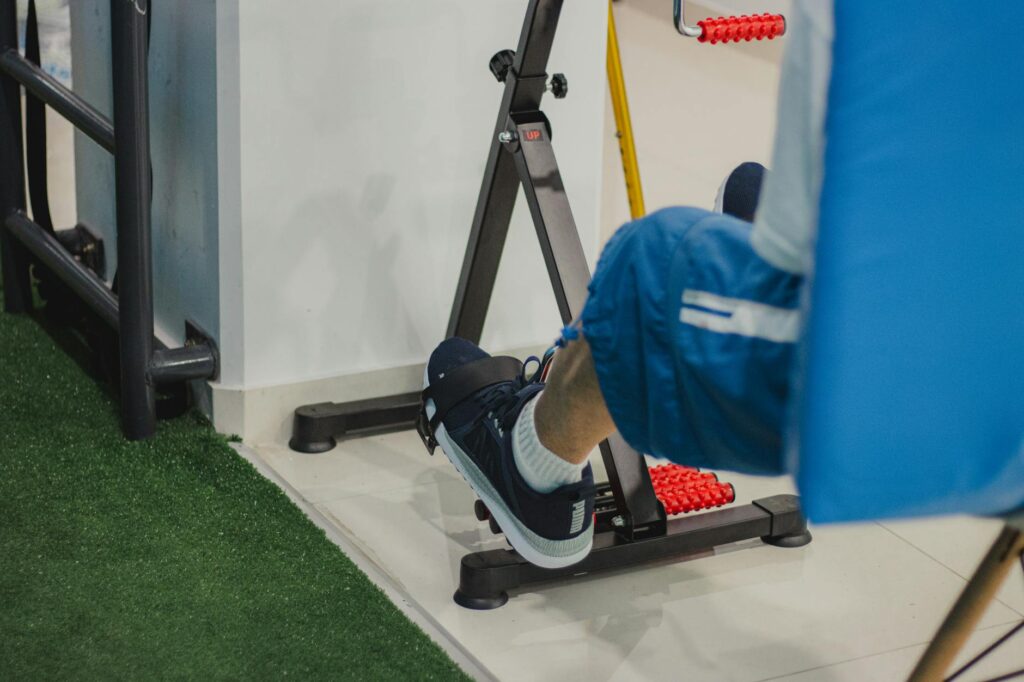
The Cubii uses an elliptical motion, your feet trace an oval path rather than a circular pedaling motion. This keeps your feet closer to the floor and your knees lower, which is why Cubii requires less desk clearance (10 inches minimum) than a standard under-desk bike. The motion is smooth and easy to maintain without conscious effort, which makes it genuinely usable during focused work.
The DeskCycle uses a true cycling motion, circular pedaling like a bicycle. This requires slightly more clearance and raises your knees higher during the stroke, which can feel more disruptive to typing. On the other hand, the cycling motion engages muscles more completely and burns more calories per session at comparable resistance levels. Athletes and people used to cycling find the DeskCycle motion more natural.
Desk Clearance Requirements
This is often the deciding factor. The Cubii Pro requires approximately 10 inches of clearance from the floor to the pedal at its highest point, most desks clear this easily. The DeskCycle 2 requires 27 inches from the floor to the underside of your desk. Standard fixed desks (27–30 inch height) are borderline; you may find your knees hit the desk underside on the upstroke. Height-adjustable standing desks at raised seated height accommodate both comfortably.
Noise: Cubii Wins Clearly
The Cubii’s magnetic resistance mechanism is quieter than the DeskCycle at comparable effort levels. Both are usable in home offices. The DeskCycle produces more mechanical noise that becomes noticeable in open-plan offices or shared spaces at anything above low resistance. If you work in a shared environment or take video calls frequently, the Cubii is the safer choice on noise alone.
App and Connectivity
Cubii Pro and Cubii Go both connect via Bluetooth to the Cubii app, which integrates with Apple Health, Garmin Connect, and Fitbit. Your Cubii sessions log as workouts in your health ecosystem automatically. The DeskCycle 2 has a basic display showing RPM, time, distance, and calories but no Bluetooth connectivity and no app integration, data stays on the device. For athletes who wear fitness trackers and care about logging every session, Cubii’s ecosystem integration is a meaningful advantage.
Head to Head
| Feature | Cubii Pro | DeskCycle 2 |
|---|---|---|
| Motion type | Elliptical | Cycling |
| Min desk clearance | 10 inches | 27 inches |
| Bluetooth / App | ✅ Yes | ❌ No |
| Health app sync | ✅ Apple Health / Garmin | ❌ No |
| Noise level | Very quiet | Moderate |
| Calorie burn intensity | Light–moderate | Moderate–high |
| Price | $199–$347 | $170–$230 |
| Weight | 38 lbs | 23 lbs |
The Bottom Line
For most desk workers, especially those who already use fitness trackers and care about health ecosystem integration, the Cubii Pro is the better fit. It is quieter, requires less desk clearance, and integrates with Garmin Connect, Apple Health, and Fitbit automatically. The elliptical motion is easier to sustain passively during focus work.
For athletes who want more workout intensity from their under-desk device, or who already prefer a cycling motion and can accommodate the clearance requirements, the DeskCycle 2 delivers more cardiovascular challenge per session at a lower price. It is the right choice if the goal is supplemental cardiovascular training rather than sedentary reduction.
Who Each Machine Is Actually Built For
The Cubii and DeskCycle attract different types of people, and understanding that difference prevents buyer regret. The Cubii is designed for the office worker who wants to reduce sedentary time without thinking about it, the elliptical motion is passive enough that after a few days you forget you are doing it while on a call or reading. It is a habit-formation tool disguised as exercise equipment. The DeskCycle attracts athletes and fitness-oriented people who want the under-desk machine to actually contribute to cardiovascular fitness. The cycling motion requires more conscious engagement, burns more calories at equivalent resistance levels, and produces measurable cardiovascular benefit at higher settings.
Long-Term Durability and Ownership
The Cubii Pro uses a sealed magnetic resistance mechanism requiring essentially no maintenance: no lubrication, no adjustment. Units from 2019 are still in regular service. The mechanism that makes it quiet is the same mechanism that makes it durable. The DeskCycle 2 uses calibrated resistance bands internally. Long-term reviews report resistance calibration can drift over years of heavy use, and replacement parts are not widely available. For moderate daily use (30 minutes at low-medium resistance), either machine lasts years without issue.
Setup and Desk Compatibility
The most common setup mistake with both machines is desk height miscalculation. Measure from your floor to the underside of your desk, not to the top of the desk surface. The Cubii needs 10 inches of clearance to the underside; the DeskCycle 2 needs 27 inches. A standard desk where your knees sit at 90 degrees is typically 26–28 inches to the underside, which puts the DeskCycle at the borderline. Very tall users (6’5″+) occasionally report Cubii knee clearance issues with standard desk heights.
Fitness Tracker Integration
The Cubii Pro logs sessions directly to Apple Health, Garmin Connect, and Fitbit via Bluetooth: each session appears as a workout with duration, estimated calories, and stride count. The DeskCycle has no Bluetooth connectivity, so your fitness tracker must detect heart rate elevation passively. At moderate DeskCycle resistance, most wearables register the session in daily strain. At low resistance, it may not produce enough HR elevation to log automatically. For athletes who want every session tracked without manual logging, the Cubii’s direct app integration is a meaningful advantage.
Where to buy: Both are strong picks \u2014 the right one depends on your priorities above. Check current pricing to decide:
Check Cubii JR1 Price → Check DeskCycle Price →
Frequently Asked Questions
Which is better for tall people?
The DeskCycle requires more clearance but accommodates longer legs more naturally in the cycling position. The Cubii’s elliptical motion works for most heights up to 6’4″ with standard desks. Users above 6’4″ may find knee clearance limited on both machines depending on desk height.
Can the Cubii be used on carpet?
Yes, a non-slip mat underneath solves any sliding on low-pile carpet. On hardwood, the rubber feet grip adequately without a mat. The DeskCycle is heavier (23 lbs vs Cubii’s 38 lbs) and slides less on smooth surfaces.
Is there a warranty difference?
Both Cubii and DeskCycle offer 1-year limited warranties covering manufacturing defects. Extended warranty coverage is not available from either manufacturer directly.
The Real-World Decision: Four Questions to Ask Before Buying
Before committing to either machine, four questions will resolve the decision for most buyers. First: what is your actual desk clearance? Pull a tape measure and check the distance from the floor to the underside of your desk surface, not the top. If it is under 27 inches, the DeskCycle 2 will not fit comfortably, and the Cubii is your only option between the two. Second: how noisy is your work environment? If you are regularly on video calls or work in a shared space, the Cubii at low resistance is effectively silent; the DeskCycle at equivalent resistance produces audible mechanical noise.
Third: do you already use a fitness tracker ecosystem that you want sessions to sync with? The Cubii connects to Apple Health, Garmin Connect, and Fitbit automatically. If seamless session logging matters to you, this is a real differentiator. Fourth: what is your primary goal, passive movement accumulation or active cardiovascular training? For passive accumulation during deep work (the majority of office use cases), the Cubii’s elliptical motion wins. For deliberate cardiovascular sessions done while working, the DeskCycle produces more metabolic benefit per session at equivalent resistance levels.
Accessories Worth Buying With Either Machine
A non-slip mat is worth adding to either purchase if you have a smooth hard floor, standard yoga mats work perfectly and cost $15–$25. A desk mat or floor protector prevents scuffing on hardwood or tile from the machine’s base. If you are pairing either machine with a standing desk, a second height-adjustable chair or saddle stool allows seamless transitions between standing and seated pedaling positions. None of these accessories are required, but each reduces friction from the daily habit in ways that improve long-term compliance.
For athletes who already own a WHOOP or Oura Ring: neither machine will produce enough HR elevation at typical working resistance levels to meaningfully affect daily strain scores on those devices. The cardiovascular benefit accumulates over time through reduced sedentary behavior rather than through acute training stimulus. Do not expect your recovery tracker to show hard session data from Cubii or DeskCycle use, expect to see gradually improved resting heart rate and Body Battery baselines over months of consistent use.
Both the Cubii and DeskCycle are legitimate tools for a specific and underserved problem: the health cost of eight hours of daily sitting. The research supporting low-level movement accumulation throughout the workday is strong and growing, and either machine represents a practical, non-disruptive way to address sedentary time without restructuring your schedule or adding dedicated workout sessions to an already full day. Choose based on your clearance, noise requirements, and ecosystem needs, and use whichever one you choose consistently. The habit is more valuable than the hardware.
Related: Cubii Review · Best Recovery Gear · How to Build a Recovery Stack