
Bottom line: The Crossrope Get Lean set is $129 and a 1lb weighted rope is $23.38. The $106 gap buys interchangeable rope weights, a fast-clip system, and an app with a large community behind it. It does not buy a better rope. If you already jump rope regularly and want to progress through weights, Crossrope is a defensible purchase. If you are buying it to start jumping rope, buy the cheap one, because the thing most likely to stop you is not equipment. Prices checked 26 August 2026.
Check Crossrope Price → Check Budget Rope Price →
What Crossrope Actually Sells
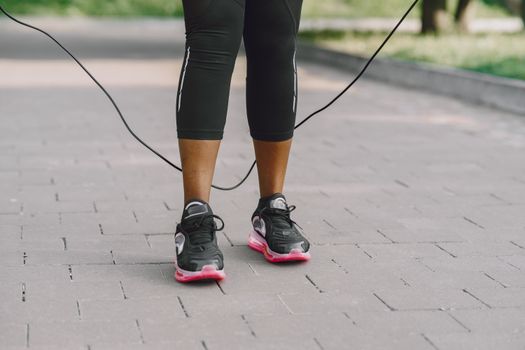
Worth separating the hardware from the system, because they are priced together and only one of them is unusual.
The rope itself is a coated cable with weight built into the rope rather than the handles. That distinction matters more than it sounds. Weighted handles add load your arms hold; weighted rope adds load you have to actually rotate, which is the part that builds the shoulders and forearms and gives the feedback beginners use to time their jumps. Crossrope’s listing makes the reasonable claim that heavier rope is easier for beginners to learn with, and that is a real effect rather than marketing.
The fast-clip connection is the genuine innovation. Swapping between a light and heavy rope takes seconds, which is what makes interval work across weights practical. And the Get Lean set ships with both a quarter-pound and a half-pound rope, so there is progression built in.
The rest of the price is the app and the community, which the listing puts at over 97,000 members. Whether that is worth money depends entirely on whether structured video workouts are the thing that keeps you training. For some people it plainly is.
The Numbers
| Crossrope Get Lean | Budget weighted rope | |
|---|---|---|
| Price | $129.00 | $23.38 |
| Weight location | In the rope | In the rope (1lb) |
| Interchangeable | Yes, fast-clip | Two rope types included |
| Weights included | 1/4lb and 1/2lb | Single weight |
| Length | Sized, not adjustable | Adjustable |
| App | Yes, large library | No |
Two rows deserve attention. The budget Redify rope is adjustable, while Crossrope ropes are sized to your height and bought as a fixed length. If more than one person will use it, or you are between sizes, adjustability is a real advantage that costs $106 less.
The other is that the cheap rope is 1lb, which is heavier than either Crossrope rope in this set. Heavier is not automatically better. A 1lb rope is demanding on the shoulders and slow to turn, which makes double-unders and speed work harder rather than easier. Crossrope’s quarter-pound and half-pound options are better calibrated for actual training progression, and that is the strongest hardware argument for the price.
What the Evidence Says About Jumping Rope
The case for rope work is good and it does not need exaggerating, which is fortunate because the internet exaggerates it constantly.
You will see a claim everywhere that ten minutes of rope equals thirty minutes of jogging, or an eight-minute mile. We could not trace any version of that to a citable study, the numbers contradict each other across sources, and at least one citation chain leads back to a jump-rope company rather than a journal. We went through it in our jump rope guide.
What is solidly documented is the metabolic comparison in the Compendium of Physical Activities, the standard reference for exercise energy cost. Rope jumping runs roughly 8.8 METs at a slow pace, 11.0 moderate and 12.3 fast, against about 8.3 METs for jogging at 8km/h. Rope is genuinely more demanding per minute than an easy jog. That is the honest claim and it is enough.
The real advantages are that a rope costs a fraction of any cardio machine, fits in a bag, and trains coordination and calf elasticity in a way running does not. Those are true regardless of which rope you buy.
The Thing That Actually Stops People
It is not the rope. It is the ceiling, the floor and the neighbours.
Jumping rope indoors needs roughly 10 inches of clearance above your reach, which rules out a lot of basements and most rooms with a ceiling fan. It needs a forgiving surface, because concrete is hard on the achilles and calves and a rope on carpet drags and frays. And if you live above someone, rhythmic impact for ten minutes is a genuinely unneighbourly thing to do. None of that appears on either product page.
Then there is the learning curve. Most adults who have not skipped since school will trip constantly for the first few sessions, and the frustration is what ends the habit rather than any equipment shortcoming. A heavier rope actually helps here, because the added feedback makes timing easier to feel, which is the one place Crossrope’s beginner claim holds up well.
So the honest sequence is to solve the space problem before the equipment problem. Find the spot, check the clearance, jump for two weeks with a $23 rope, and see whether the habit survives contact with reality. If it does, the $129 system is a reasonable upgrade for someone who now knows they will use it. Our home gym equipment guide makes the same argument across the whole category, because the pattern is remarkably consistent.
Who Should Buy Which
Buy the $23.38 weighted rope if you are starting out, if more than one person will use it, or if you are not yet certain you will keep jumping. It is adjustable, it is tangle-free, and at this price the downside of being wrong is negligible. This is our pick for most people.
Buy the Crossrope Get Lean set if you already jump regularly and want to train across rope weights, or if a structured app is genuinely what keeps you consistent. The fast-clip system is the real product here and nothing at $23 replicates it.
Buy neither if you have low ceilings, live above someone, or only have concrete available. Rope work is not worth an achilles problem, and our recovery gear guide and weighted vest guide cover lower-impact ways to raise your training load.
How We Evaluate
We do not own either rope and we will not imply we do. Specifications and prices come from the sellers’ own Amazon listings, checked on 26 August 2026, including Crossrope’s fast-clip system, quarter-pound and half-pound ropes and stated community size, and the Redify rope’s 1lb weight, adjustable length and ball-bearing handles. MET values come from the Compendium of Physical Activities, the standard reference for exercise energy cost. Where a popular claim could not be traced to a source, we say so rather than repeating it. Recommendations are our judgment, labelled as such.
Getting the Length Right
This is the single most common reason a rope feels wrong, and it costs nothing to fix on an adjustable model.
Stand on the middle of the rope with one foot. The handles should reach roughly to your armpits for general fitness work. Shorter, around chest height, suits speed work and double-unders because the rope travels a tighter arc. Longer is more forgiving while you are learning but slows everything down.
The budget rope adjusts, so you can experiment and settle on what suits you. The Crossrope set is sized at purchase against your height, which is more precise if you order correctly and a genuine problem if you do not. Measure before ordering, and remember a fixed-length rope shared between two people of different heights will suit exactly one of them.
Two other setup details worth knowing. Turn the rope with your wrists rather than your arms, since the shoulders tire quickly and wrist rotation is what lets you sustain longer sets. And start with two-minute blocks rather than ten-minute ones. Calves and achilles tendons adapt to impact more slowly than your cardiovascular system does, and the most common rope injury is simply doing too much in week one. Grip endurance is often the other limiter, which our grip trainer guide covers, and ankle stability work from our balance board guide transfers well to landing mechanics.
Check Crossrope Price → Check Budget Rope Price →
FAQ
Is Crossrope worth it over a cheap jump rope?
Only if you will use the interchangeable weights or the app. The fast-clip system that lets you swap rope weights mid-workout is genuinely useful and nothing at $23 replicates it. For learning to jump, a $23 rope does the same job.
Are weighted jump ropes better?
For beginners, often yes. The added feedback makes the rope’s position easier to feel, which helps timing. Very heavy ropes around 1lb are demanding on the shoulders and poorly suited to speed work, so heavier is not automatically better.
Does jumping rope burn more calories than running?
Per minute, yes. Rope jumping runs roughly 8.8 to 12.3 METs depending on pace against about 8.3 for jogging at 8km/h. Claims that ten minutes of rope equals thirty minutes of running are not traceable to any study we could find.
Can you jump rope indoors?
Only with about 10 inches of clearance above your reach and a forgiving surface. Concrete is hard on the calves and achilles, carpet frays ropes, and the impact carries to anyone living below you.
How long should beginners jump for?
Start with two-minute blocks rather than long continuous sets. Calves and achilles tendons adapt to impact more slowly than your aerobic system, and overdoing week one is the most common way people injure themselves with a rope.