
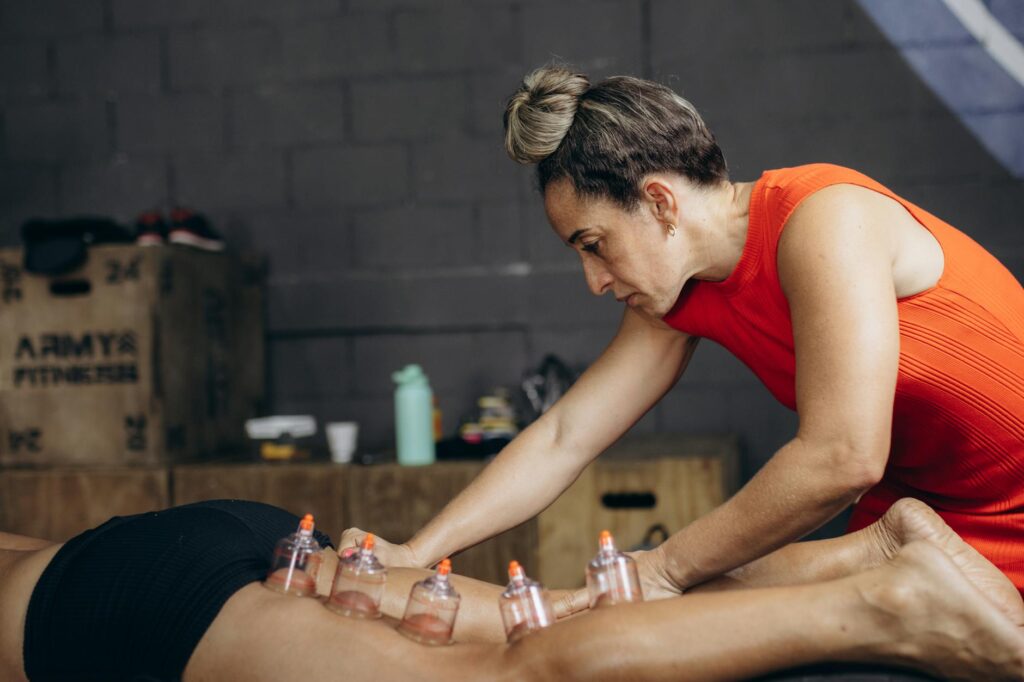
Best Recovery Gear in 2026: Massage Guns, Rollers, and Compression
Most recovery gear is expensive and marginal. A few tools are genuinely effective. Here is the honest ranking of what is worth buying and what order to buy it in.
Recovery has a hierarchy. Sleep is at the top, no device replaces it. Nutrition is second. After that, the physical tools: percussion therapy, compression, myofascial release. These are not magic. They do not substitute for adequate sleep or correct training load. What they do is help your body process the adaptation stimulus faster, reduce the perception of soreness, and keep the next session from being compromised by the previous one.
Most recovery gear is either expensive and marginal, or cheap and effective. The foam roller in this list costs $35 and beats most devices costing ten times more for the majority of athletes. The compression boots cost $500 and earn it, but only if you are training volume that justifies the investment. This guide is honest about which is which.
Buy in This Order
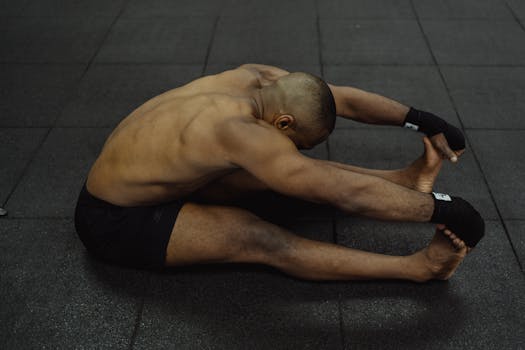
If you are building a recovery toolkit from scratch: foam roller first, every time. Then a percussion device if you train four or more times per week. Compression boots are for high-volume athletes and are optional for everyone else. Sleep tools are underrated and underpurchased across the board.
Our Top Picks
Theragun Prime
Best OverallThe Theragun Prime is the benchmark for percussion therapy devices. 16mm amplitude (deeper than most competitors) five speed settings, a brushless motor that stays quiet at high speeds, and an ergonomic multi-grip handle that lets you reach your own back without contortion. After extended use it stands out for one thing above all: it actually penetrates muscle tissue rather than just vibrating on the surface.
Hyperice Hypervolt Go 2
Best PortableThe Hypervolt Go 2 is the best percussion device for athletes who travel or want something light enough to throw in a gym bag without thinking about it. Quieter than most devices in its price range, three speed settings cover the range from warm-up to deep tissue work, and the 2.5-hour battery life handles a week of daily sessions on one charge. It lacks the amplitude of the Theragun Prime but it is half the price.
TriggerPoint GRID Foam Roller (13″)
Best Value Recovery ToolBefore you spend $300 on a percussion device, spend $35 on a foam roller and learn to use it properly. The TriggerPoint GRID is the industry standard, the multi-density surface replicates a therapist’s fingers and palms rather than just rolling flat pressure across your tissue. Thoracic spine, IT band, quads, calves, 10 minutes post-session addresses all of them. Every athlete should own one before buying anything else.
Renpho Eye Massager
Best for Sleep and RecoverySleep is the highest-leverage recovery intervention available, and anything that makes falling asleep faster pays dividends in training adaptation. The Renpho eye massager uses oscillating pressure and optional heat across the orbital area to reduce tension headaches, eye strain from screens, and time-to-sleep. If you are tracking HRV and seeing inconsistent recovery, your pre-sleep routine is usually the first thing to audit.
Therabody RecoveryAir JetBoots (Compression)
Best for Serious Leg RecoveryPneumatic compression boots are used by professional athletes and sports medicine clinics for accelerating lymphatic drainage and blood flow after high-volume lower body training. The RecoveryAir JetBoots are the most accessible pro-grade option: sequential compression from foot to hip, three pressure settings, and a 40-minute session that most athletes describe as genuinely restorative after a hard leg day or a long run. Expensive but it delivers.
The Bottom Line
Start with the TriggerPoint GRID roller. It is the highest-value recovery tool available and the foundation of any recovery routine. Add the Hypervolt Go 2 once foam rolling is a consistent habit and you want targeted deep tissue work on the go. Upgrade to the Theragun Prime if you train hard and want clinical-grade amplitude. The compression boots are for athletes whose legs are their livelihood or whose training volume justifies it.
And pair all of it with a recovery tracker. Without data, you are guessing whether any of this is working. With a WHOOP or Oura Ring, you can see HRV trends respond to your recovery protocol, and adjust accordingly.
Common Questions
Should you use cold or heat for muscle recovery?
Cold (ice bath, cold shower) reduces perceived soreness and inflammation acutely, best for the 24 hours after high-volume endurance training. Heat (sauna, hot bath) improves circulation and produces cardiovascular adaptations with repeated use, best as a regular recovery protocol rather than immediately post-workout. For strength training, avoid cold immersion in the first few hours post-session as it blunts hypertrophic signaling. A contrast protocol (alternating hot and cold) combines benefits and is used widely by professional athletes.
How often should you use a massage gun?
Most athletes benefit from 5–10 minutes of percussion therapy per muscle group, 2–3 times per week. Daily use on specific chronically tight areas (IT band, hip flexors, thoracic spine) is appropriate for athletes with persistent tightness from high training volume. There is no strong evidence that more frequent use produces proportionally more benefit, consistency over time matters more than frequency in any given week.
Is a foam roller worth buying before a massage gun?
Yes, the foam roller is the higher-value purchase for most athletes. It costs $25–$45, requires no charging, addresses more surface area per session, and for most athletes produces equivalent or better results than a percussion device for routine maintenance. Buy a foam roller first. Add a percussion device once rolling is a consistent habit and you want deeper work on specific areas.
Frequently Asked Questions
Do massage guns actually speed recovery?
The evidence supports modest benefits. A systematic review in the International Journal of Sports Physical Therapy (2023) found percussive therapy effects concentrated in flexibility and pain rather than performance, and an earlier review of 39 studies reached the same split: improved flexibility and reduced soreness, but no meaningful change in muscle activation or force production. The mechanism is thought to involve increased local blood flow, reduced muscle spindle sensitivity, and gate control theory pain modulation. The effects are real but should not be overstated, percussion therapy accelerates recovery; it does not eliminate the need for adequate sleep, protein, and rest.
What is the difference between 12mm and 16mm amplitude in massage guns?
Amplitude is the distance the head travels per stroke. 16mm (Theragun Prime) reaches deeper into muscle tissue than 12mm (Hypervolt Go 2). For superficial muscles and warm-up work, 12mm is adequate. For deep muscle groups (glutes, hamstrings, thoracic paraspinals) where the target tissue is deeper below the surface, 16mm amplitude produces more effective treatment. Athletes who primarily use a massage gun for pre-workout activation get less benefit from the higher amplitude than those using it for post-workout deep tissue work.
This guide covers the most important considerations for making the right decision. The best tool is the one you will use consistently, accuracy of data matters less than the habit of collecting and acting on it. Whether you are choosing between devices, building a tracking routine, or optimizing an existing system, start with one clear goal, pick the tool that serves it best, and give it at least eight weeks before evaluating whether it is working. Data compounds over time; the athletes who get the most from their devices are those who have been consistent the longest.
Related: Theragun Prime Review · Best Recovery Trackers of 2026 · WHOOP vs Oura Ring · Polar H10 review